【Alumni Interview】“A Space Where Everyone Can Feel Comfortable, Just Like Social Apartment”: The Origins of a Japanese Tea Café Opened in Osaka by a Former Resident (Part 1)
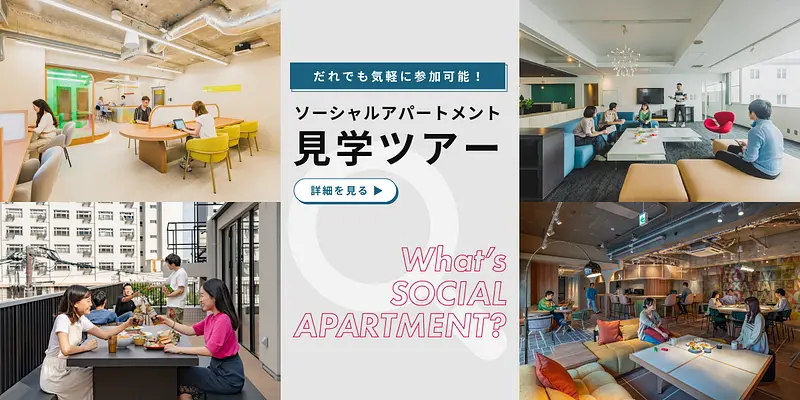
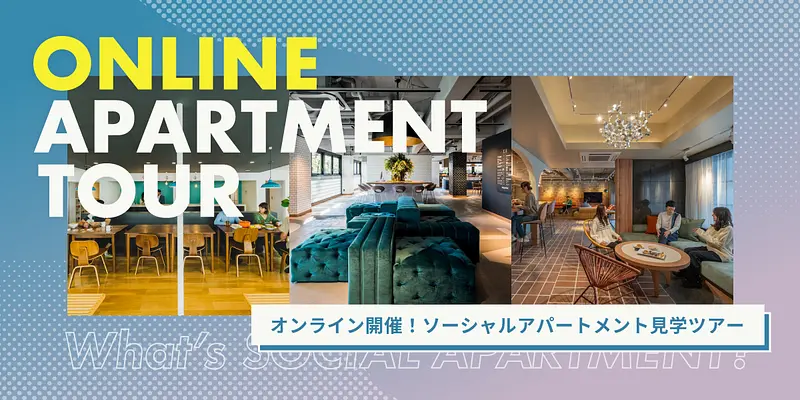
A social apartment is a community-oriented rental building that features not only traditional living spaces but also well-equipped public areas such as lounges. It’s a new lifestyle that “broadens your horizons,” allowing you to enjoy a sense of community with fellow residents while maintaining your privacy.
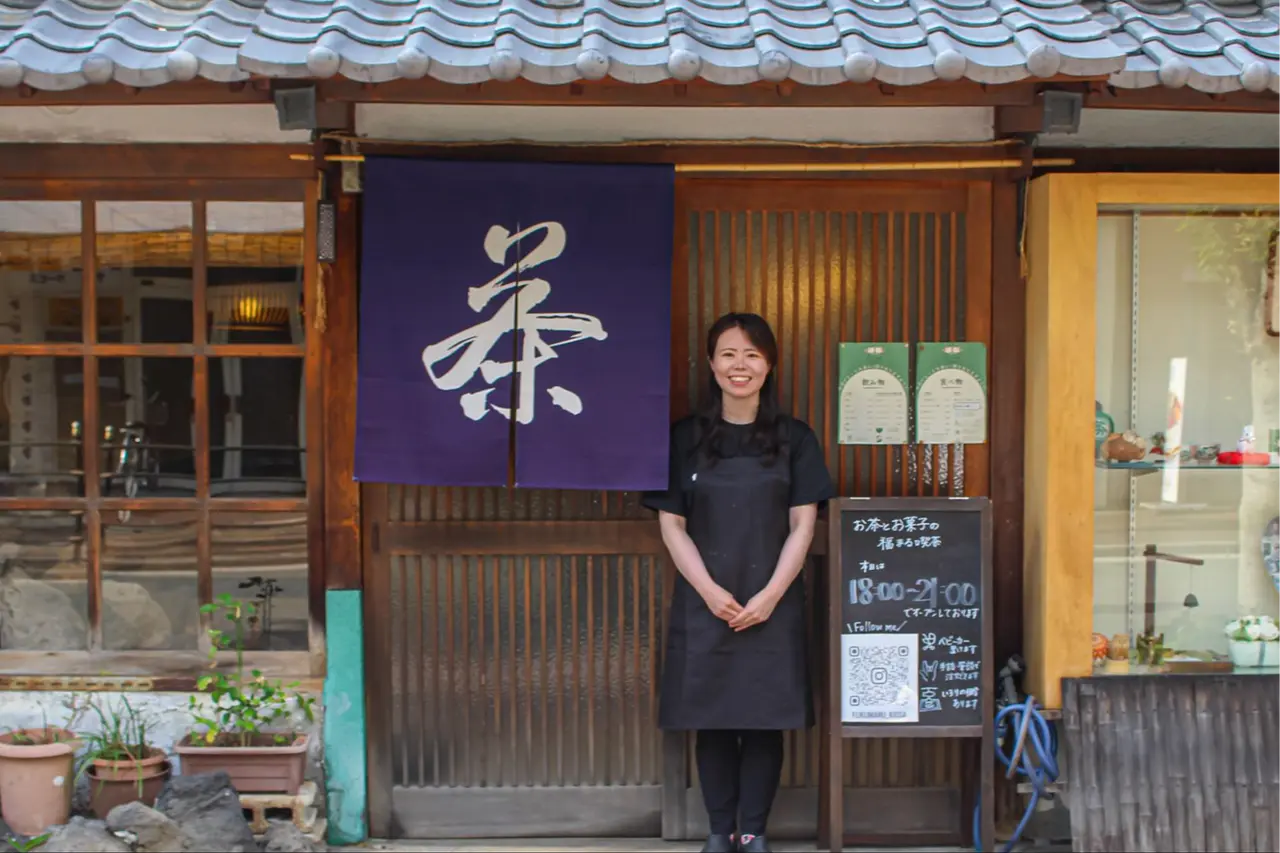
The time spent in a social apartment often goes beyond a mere living experience; it frequently has a significant impact on one’s future life and career choices. We spoke with Ms. Sawada, who once lived at “WAVES Nihonbashi Hamacho.” After moving out of the social apartment, Ms. Sawada opened “Fukumaru Kissa,” a casual café specializing in Japanese tea and traditional sweets, in a residential neighborhood in Osaka.
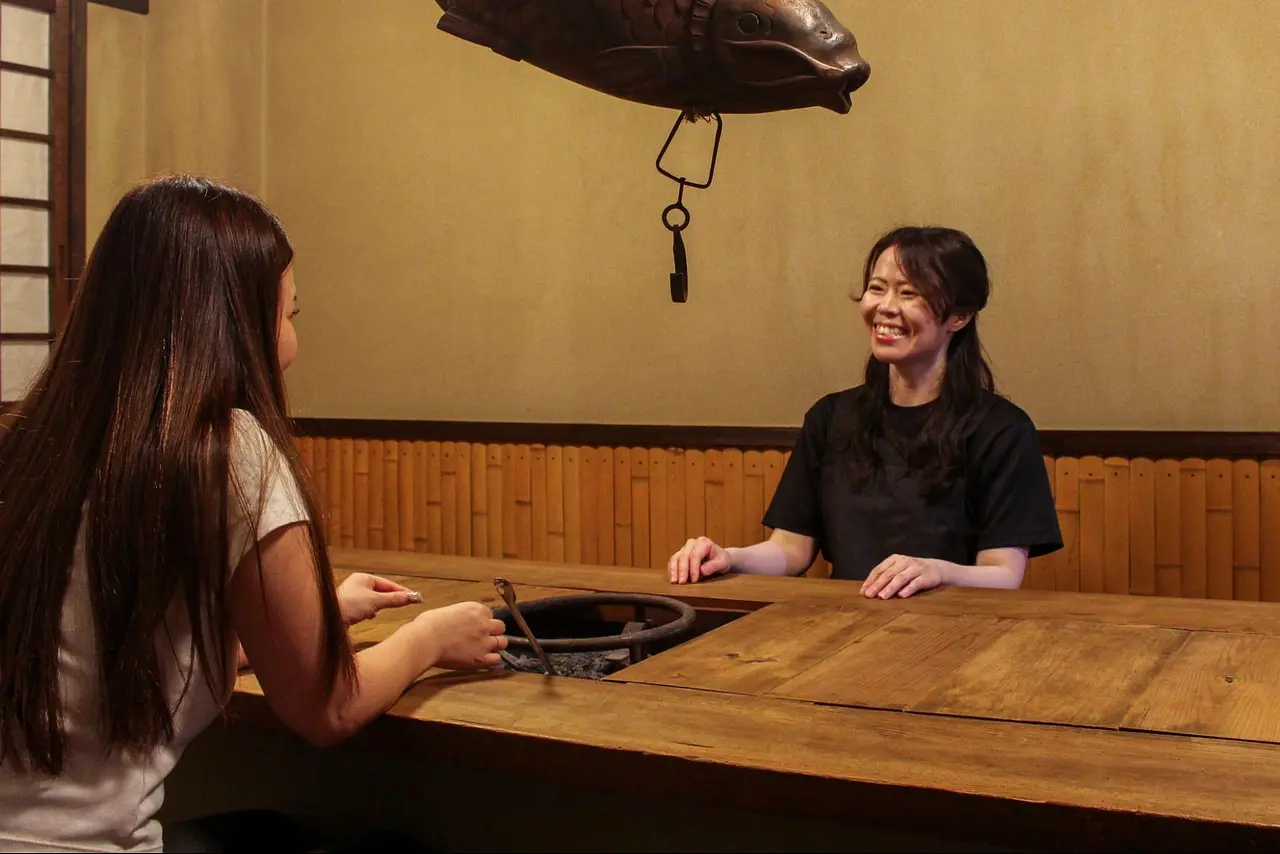
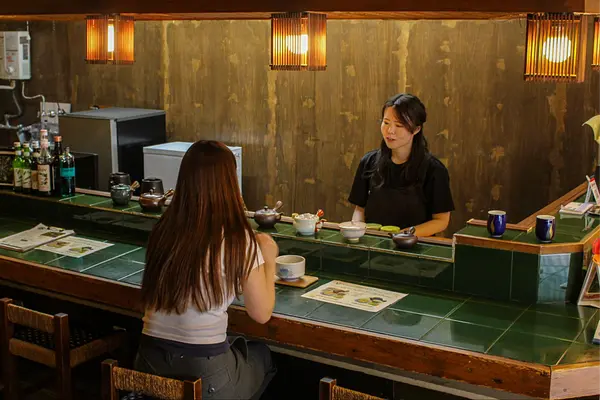
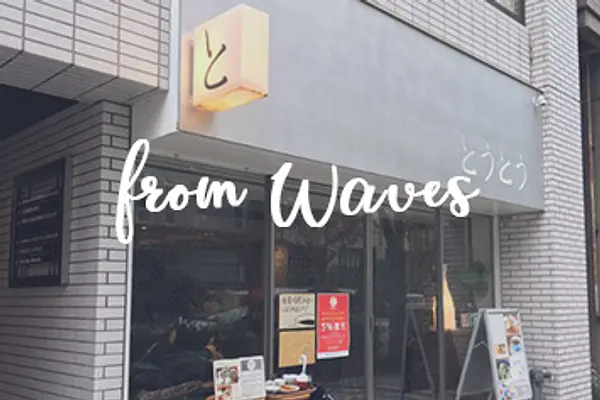
▲Fukumaru Kissa, which opened in Osaka City, Osaka Prefecture, in August 2025
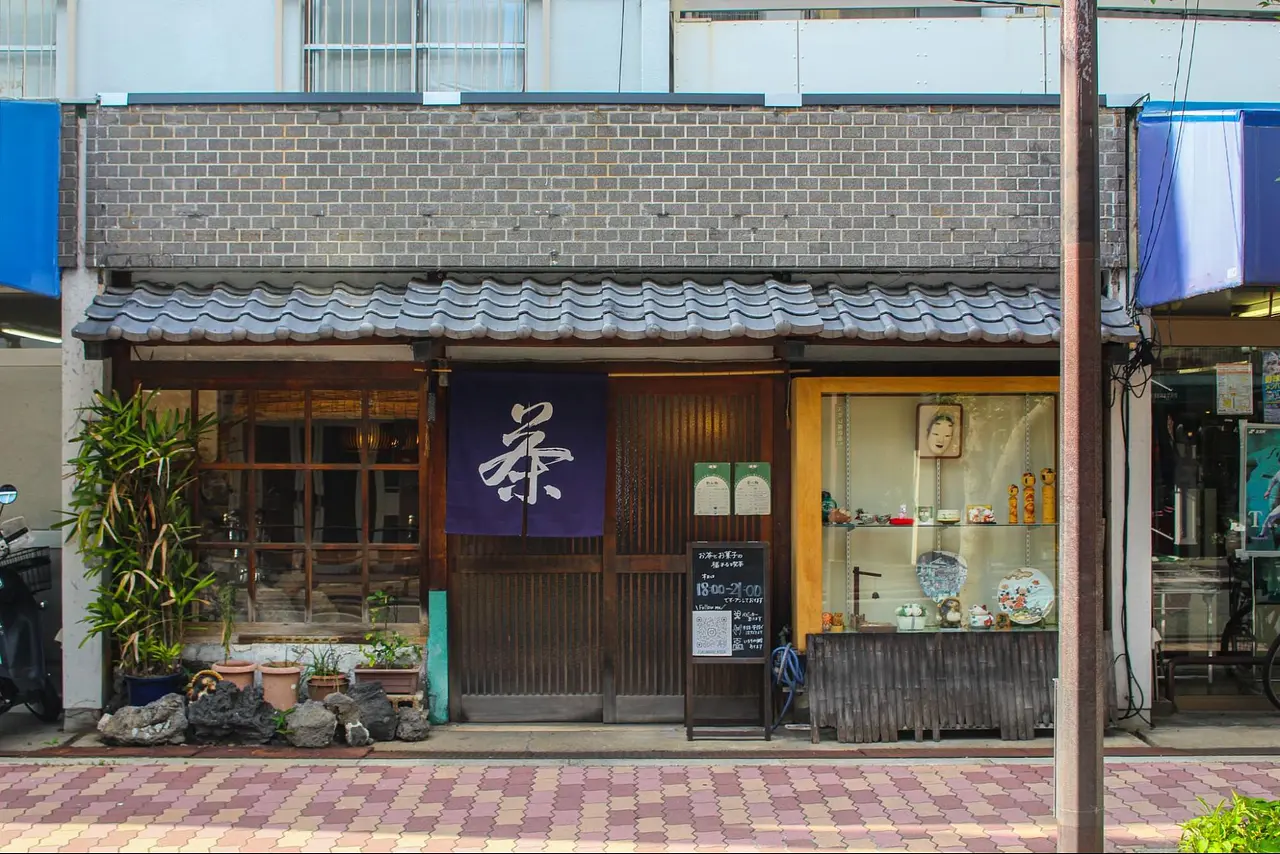
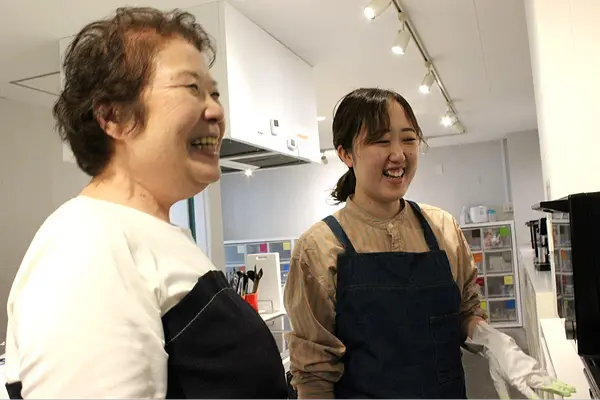
About a year has passed since its opening. “Fukumaru Kissa” has become a popular spot attracting everyone from elementary school students to seniors, as well as visitors from afar and people with disabilities. At the counter, there’s an atmosphere reminiscent of the lounge in a social apartment—one that seems to foster interaction between people.
“My life in a social apartment led me to open this café,” says Ms. Sawada. We asked him about the memories and insights he gained during his time as a resident of a social apartment—the background behind his decision to leave his corporate job, start a business as a self-taught entrepreneur, and aim to create “a space where everyone can feel comfortable.”
The reassurance of being able to be yourself without a title. The welcoming community of a social apartment he discovered when changing jobs
**—First, could you tell us what led you to move into a social apartment? **
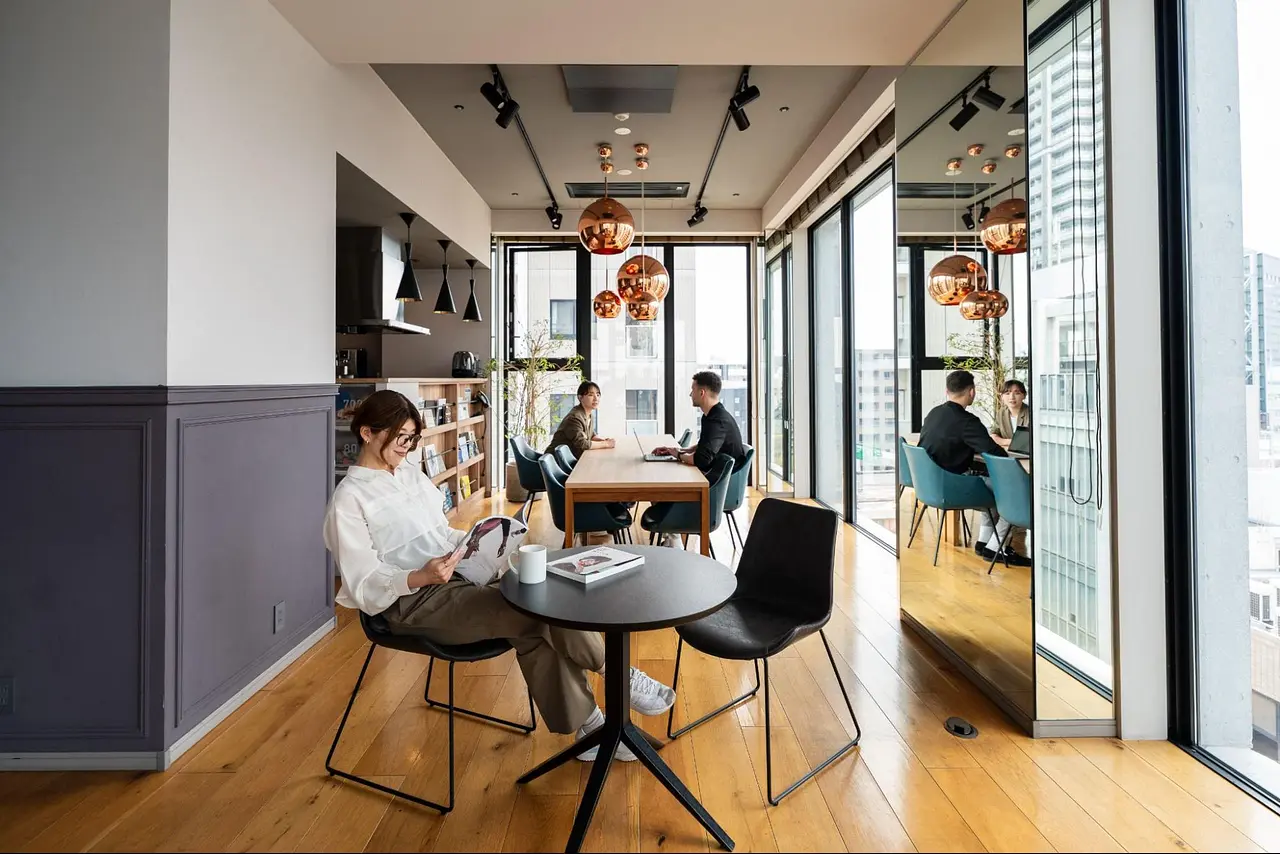
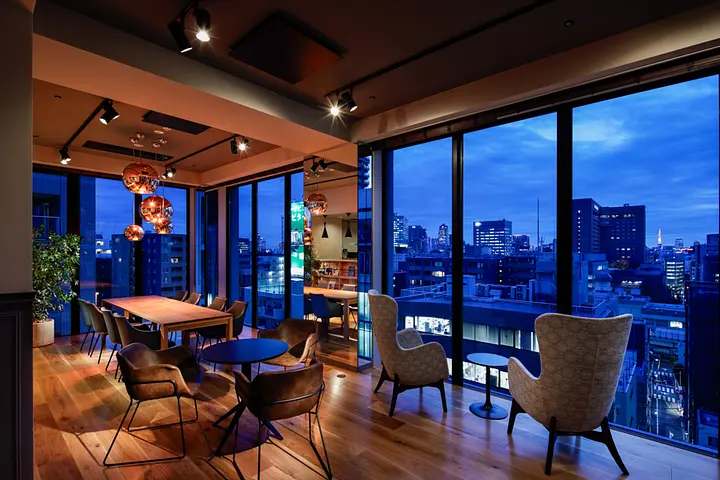
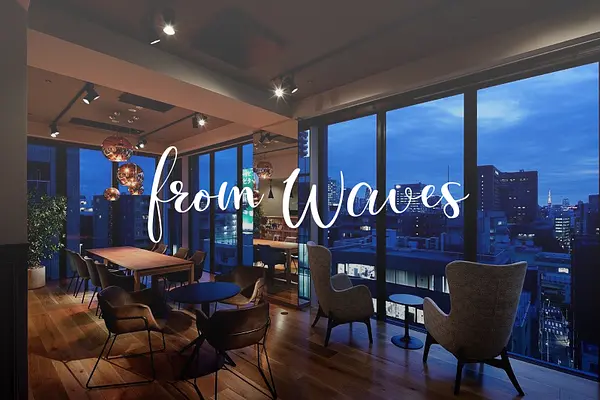
Ms. Sawada: It all started when I had to find a new place to live in Tokyo after changing jobs. Since I was moving from Osaka and didn’t know anyone there, I was looking for a place where I could interact with other residents. But I wasn’t comfortable moving into a shared house where I’d have absolutely no privacy. That’s when I learned about social apartments. I was drawn to the environment where I could have my own private room while still knowing that someone would be there whenever I stepped into the lounge, so I decided to move into “WAVES Nihonbashi Hamacho.”
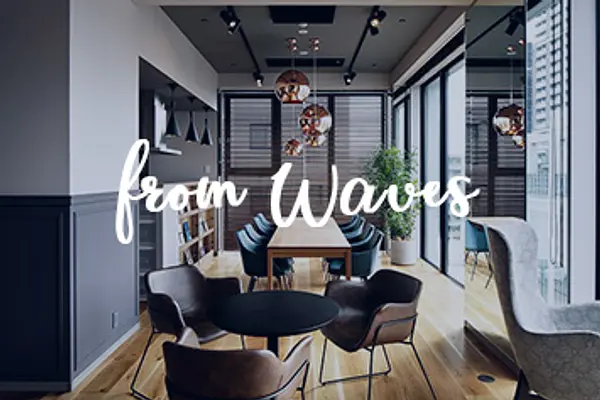
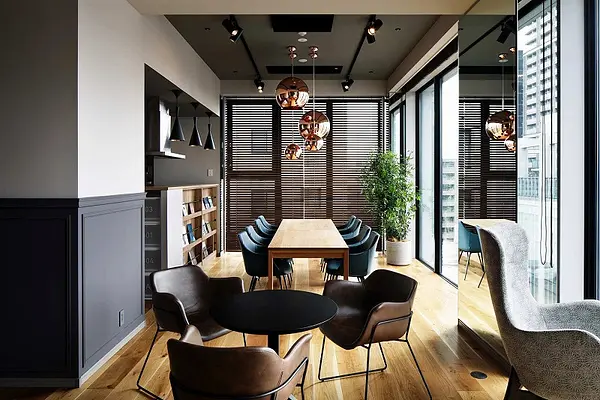
▲Common area (lounge) at WAVES Nihonbashi Hamacho
――How has your experience been now that you’ve actually started living in a social apartment?
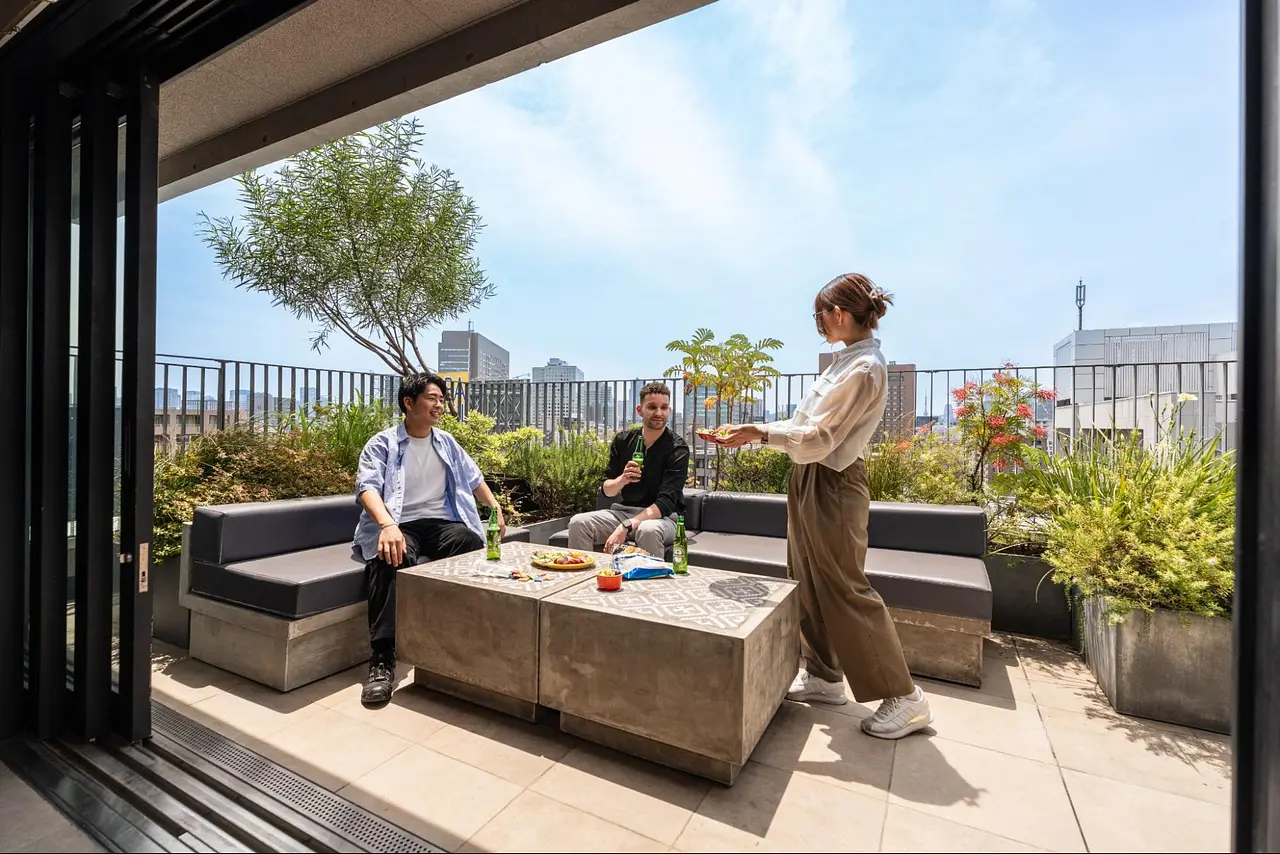
Ms. Sawada: Not only is it a comfortable place to live, but it’s also been a catalyst for a major shift in my lifestyle and way of thinking. There’s a sense of security knowing that I can always find someone to talk to whenever I go to the lounge. Being able to meet people—whom I would have never crossed paths with if I’d just been commuting back and forth between work and home—in an environment that feels like an extension of my daily life has enriched my heart more than I could have imagined.
▲Common Areas at WAVES Nihonbashi Hamacho (Rooftop Terrace)
――What kind of interactions did you have, specifically? Please share any memorable experiences you might have.
Ms. Sawada: Everyone was truly unique and diverse. For example, I met interesting people who were deeply passionate about their interests—like someone who challenged themselves to live an entire year solely on items sent as part of a specific shareholder perk program—so every day felt fresh.
What stands out most to me was experiencing communication that transcended language barriers. There were many international residents living in the building, and at one point, I realized that even if we couldn’t communicate perfectly in English, as long as we had facial expressions, gestures, and a mutual desire to connect, we could form a deep bond. The lesson that “language isn’t everything” remains a precious treasure to me to this day.
――The appeal of a social apartment is that connections naturally form in everyday life, transcending nationality and occupation, isn’t it?
** Ms. Sawada:** That’s exactly right. I think the wonderful thing about social apartments is that no one cares about your “title” or “job description.” Once you enter the workforce, you inevitably tend to be seen as “Ms. Sawada from Company X,” and you end up putting on a professional facade.
In contrast, in a social apartment, everyone is on an equal footing—in the best sense of the word. Rather than talking about work, you can have conversations about what “that person right now” is interested in and what they enjoy. Even looking back now, I feel a tremendous sense of relief knowing that I had a place within my own home where I could just be myself, completely at ease.
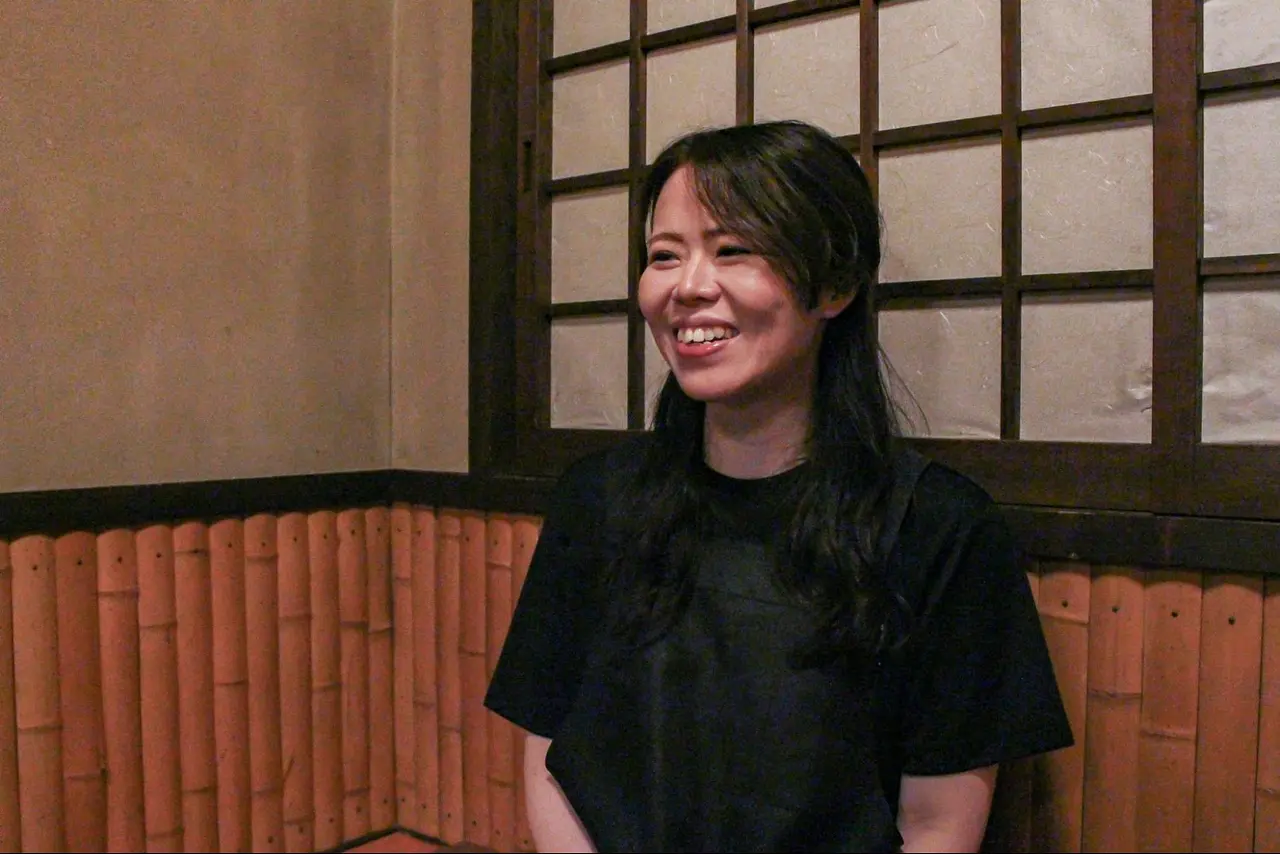
Discovering the Joy of Being the “Entertainer” Through Event Planning. The Spark That Led to Creating a Café Space.
—I heard that during your time at the social apartment, you also organized events yourself.
Ms. Sawada: I’m not really the type to plan things on my own, but I wanted to deepen my connections with residents from other buildings, so I got involved in planning and running a joint Christmas party. Rather than just getting together to drink, we wanted everyone to interact naturally. So, after many discussions with the organizers from the other properties, we came up with a concept where participants had to complete missions—such as “Take at least five photos” or “Create a LINE group for everyone here”—that were contained inside gacha capsules.
――Does that experience play a role in your current work of “community building”?
Sawada: It’s definitely connected. Before that, I was just a “participant” who would tag along with fun events organized by others. But when I built an event from scratch with my friends at the social apartment and saw firsthand how much everyone who participated was enjoying themselves, I felt a shift within myself.
Plus, the community at the social apartment introduces you to worlds you’d never encounter on your own. As I met people from various industries and with unique values in the lounge, I naturally found myself thinking, “If someone close to me is doing this, maybe I’ll give it a try too.” I feel that discovering the joy of such a “space” where we positively influence one another is directly informing the atmosphere I’m creating at the café today.
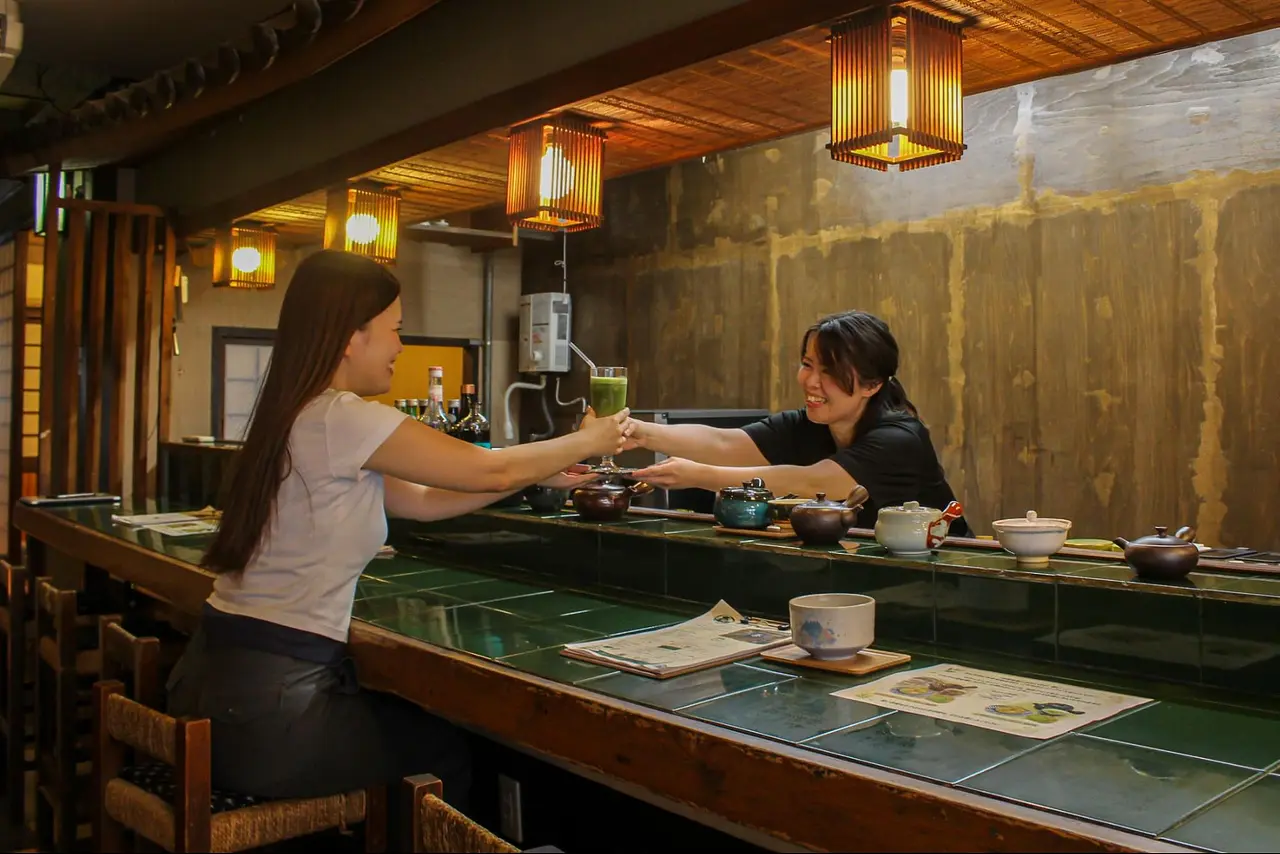
“Even if I fail, I have a place to come back to”: The Support of My Friends That Led to My Decision to Start a Business
—So you left your corporate job and opened a coffee shop with no prior experience. Weren’t you anxious about taking on such a huge challenge?
Ms. Sawada: Of course, I had absolutely no experience, and my management and cooking skills were still in their infancy, so I’d be lying if I said I wasn’t anxious. But I worked desperately hard to acquire those skills—quickly learning to make full use of AI, befriending a tea master at the Japan Tea Fair during the World Expo and getting lessons from her, and thoroughly teaching myself through YouTube. What really supported me through that challenge—which some might call reckless—was, of course, the friends I met at the social apartment.
—So having those friends around served as a source of emotional support, didn’t it?
Sawada: Yes. When I told my friends at Social Apartment, “I’m going to open a shop,” not a single one of them tried to talk me out of it. They genuinely cheered me on, saying things like, “That’s an awesome idea!” and “That sounds so fun!”
The fact that I had a community cheering me on in my challenge gave me an immense sense of security. It was precisely because I thought, “Even if I fail, I have friends who will still find me amusing and accept me as I am. So I’ll give it a shot,” that I was able to make the big decision to quit my job and start my own business. I truly believe that my friends at the social apartment gave me the push I needed to take on this challenge. Before opening the shop, I also ran a crowdfunding campaign, and among the list of supporters were many people I’d met while living at the social apartment. It made me so happy.
Continued in Part 2 👇
【Alumni Interview】“A Space Where Everyone Can Feel Comfortable, Just Like Social Apartment”: The Origins of a Japanese Tea Café Opened in Osaka by a Former Resident (Part 2)
(Interview and Text: Ichikawa / Photography: Fukushima)












!["How’s The Community Actually?" - The Atmosphere of Community Revealed Through Various Living Experiences [Interview]](https://sa-site-production-strg.s3.ap-northeast-1.amazonaws.com/n95c5ksoi29szp2v8mgip1f6c58n)
![[Resident Interview] From Speaking Zero Japanese to Achieving Conversational Level in Just 6 Months by Living in a Social Apartment](https://sa-site-production-strg.s3.ap-northeast-1.amazonaws.com/jxzizvaqsxi3ips1j47dkwk4savp)
![大阪3物件の入居経験者に聞いた"オープニングメンバー"の魅力とは? | ネイバーズ江坂 [インタビュー]](https://sa-site-production-strg.s3.ap-northeast-1.amazonaws.com/puv95v62ik8u6yohuennujfun2x5)
![ワールドネイバーズカフェ護国寺で働くスタッフの想い | ワールドネイバーズ護国寺 [インタビュー]](https://sa-site-production-strg.s3.ap-northeast-1.amazonaws.com/jm7qhnahwy58tujy6eme4vt0gaqw)
![ソーシャルアパートメントはロールモデルの宝庫。就活後に入居を決めた理由とは<後編> | ネイバーズ東十条 [インタビュー]](https://sa-site-production-strg.s3.ap-northeast-1.amazonaws.com/0klh7ktq1j5yrpyx0ob5rbo6fzcj)
![ソーシャルアパートメントはロールモデルの宝庫。就活後に入居を決めた理由とは<前編> | ネイバーズ東十条 [インタビュー]](https://sa-site-production-strg.s3.ap-northeast-1.amazonaws.com/0imxikh39n29q5cjimjm74y0zrab)
![「やってみたい」を一緒に叶える仲間と繋がる暮らし。4物件80人で実現した大運動会 | ソーシャルアパートメント宮前平 [インタビュー]](https://sa-site-production-strg.s3.ap-northeast-1.amazonaws.com/r8nyxbs5rhoyffd6f0szce0innpf)
![必要なのは好奇心と少しの思い切り | ネイバーズ五反田 [インタビュー]](https://sa-site-production-strg.s3.ap-northeast-1.amazonaws.com/y0z69d53xmqqp0hex5mhpi7h0lm0)
![きっかけは幼なじみのInstagram?一歩踏み出すのは誰かの些細な一言 | ネイバーズ立川 [インタビュー]](https://sa-site-production-strg.s3.ap-northeast-1.amazonaws.com/eowkeclvq9pekszwtklhjl9buecw)
![幅広い年齢層・国籍が交差する環境で学生時代を過ごすということとは<後編> | ワールドネイバーズ護国寺 [インタビュー]](https://sa-site-production-strg.s3.ap-northeast-1.amazonaws.com/ikafi958yqy8p1x1h7paxvnwvql7)
![幅広い年齢層・国籍が交差する環境で学生時代を過ごすということとは<前編> | ワールドネイバーズ護国寺 [インタビュー]](https://sa-site-production-strg.s3.ap-northeast-1.amazonaws.com/l92j1wrnana2kr0yrn14u88tqzlq)
![上京時にソーシャルアパートメントという選択肢 | ソーシャルアパートメント大泉学園 [インタビュー]](https://sa-site-production-strg.s3.ap-northeast-1.amazonaws.com/g92g4p92trjignuw87ae1msetxap)
![自然な交流を生み出す住まいに魅せられて | ソーシャルアパートメント三鷹 [インタビュー]](https://sa-site-production-strg.s3.ap-northeast-1.amazonaws.com/gijfv37vtenl104ol5f2mj040hwa)
![特技はヴィーガンチーズケーキ作り?料理をとことん楽しむ吉祥寺暮らし | ネイバーズ井の頭公園 [インタビュー]](https://sa-site-production-strg.s3.ap-northeast-1.amazonaws.com/3modm8zsssu2pb0h8jueaqdgo6wi)
![男性2人に聞いた、暮らしの一問一答 | ターミナルズ高槻 [インタビュー]](https://sa-site-production-strg.s3.ap-northeast-1.amazonaws.com/bo8eqs8prxj8umurpgb56sdubsld)
![男女ペアに聞いた、暮らしの一問一答 | ターミナルズ高槻 [インタビュー]](https://sa-site-production-strg.s3.ap-northeast-1.amazonaws.com/dmiopgitie2z3v8c60al680ggb4t)
![女性2人に聞いた、暮らしの一問一答 | ターミナルズ高槻 [インタビュー]](https://sa-site-production-strg.s3.ap-northeast-1.amazonaws.com/nwj20uazpp4waybl9666o46lb83f)
![「意図せず交流が生まれる場」.andworkとSOCIAL APARTMENTの共通点 | FILMS和光 [インタビュー]](https://sa-site-production-strg.s3.ap-northeast-1.amazonaws.com/5j2xtbaeo1w6ok4uc1b5hmfex5tp)
![入居者約60人を集めた「ボディメイキング コンテスト」主催者が語る企画の裏側 | ワールドネイバーズ護国寺 [インタビュー]](https://sa-site-production-strg.s3.ap-northeast-1.amazonaws.com/wftnprnselp6cg7byzf4hezs1j03)
![幼なじみと入居したソーシャルアパートメントでの暮らし | ターミナルズ高槻 [インタビュー]](https://sa-site-production-strg.s3.ap-northeast-1.amazonaws.com/4dwlhvri1wiz3j9mx7sv7fkoosoj)

![日本とアメリカを繋げることができたら | ネイバーズ渋谷神山町 [インタビュー]](https://sa-site-production-strg.s3.ap-northeast-1.amazonaws.com/f64gkjxghdo46gco54pf1xl4ewro)
![[New Property: NEIGHBORS YOKOHAMA TSURUMI] 1st Pre-Opening Tour](https://sa-site-production-strg.s3.ap-northeast-1.amazonaws.com/1jslzzmsoujaiqo4hoo77em5alnn)