[Resident Interview] “Let’s make ramen.” We took a closer look at how a hobby that started with just those words has grown into a popular event that now draws more than 50 people!
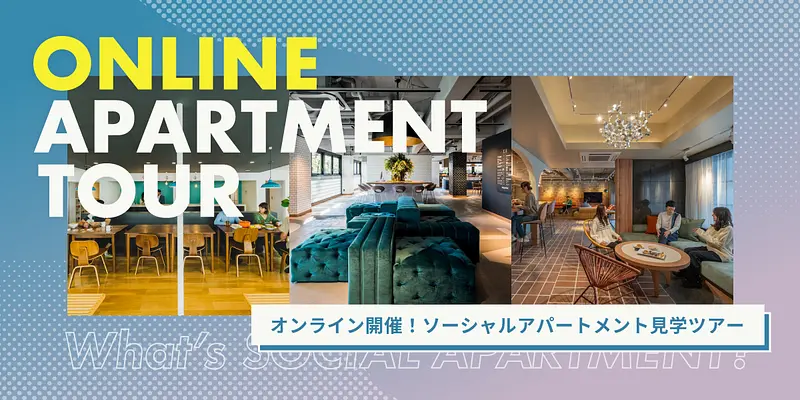
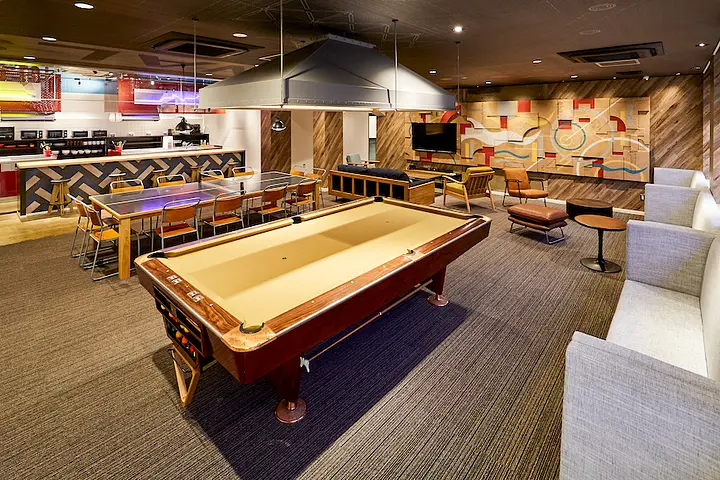
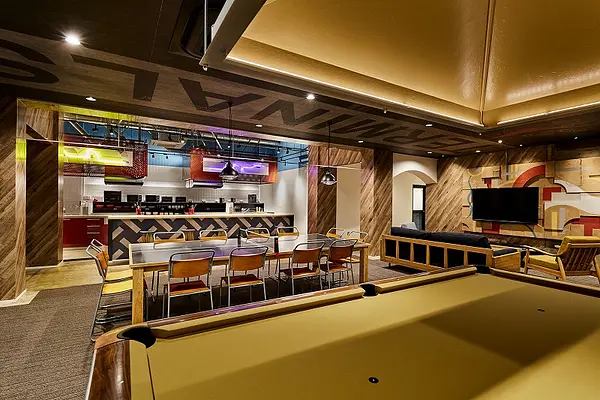
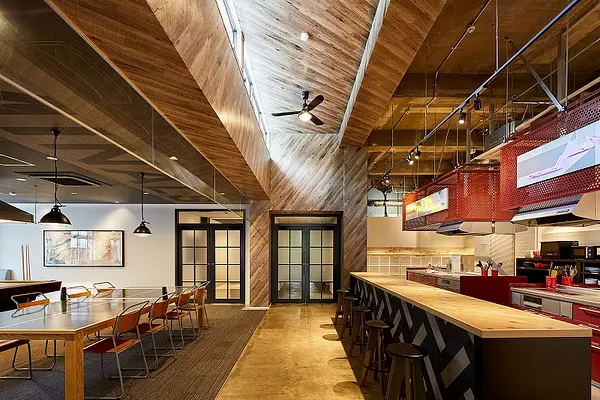
Social apartments are community-oriented rental buildings that feature not only traditional living spaces but also well-equipped public areas, such as lounges. They offer a new lifestyle that “broadens your horizons,” allowing you to enjoy a sense of community with other residents while maintaining your privacy.
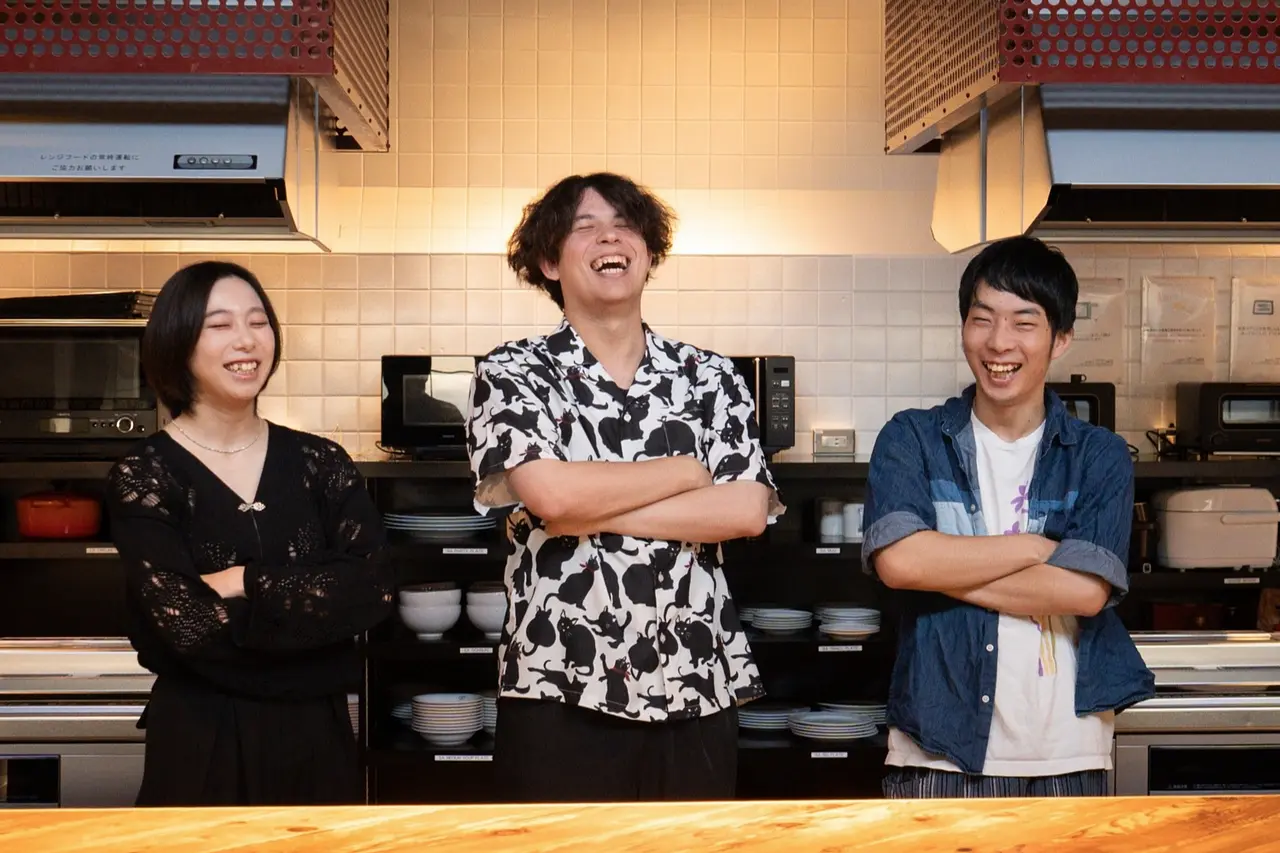
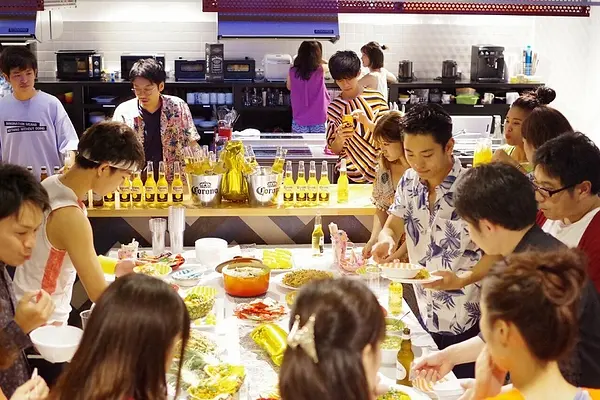
Among these spaces, the island kitchen is one of the areas most frequently used by residents on a daily basis. It fosters natural interactions, whether through casual conversation while cooking or gathering together to enjoy the finished meal.
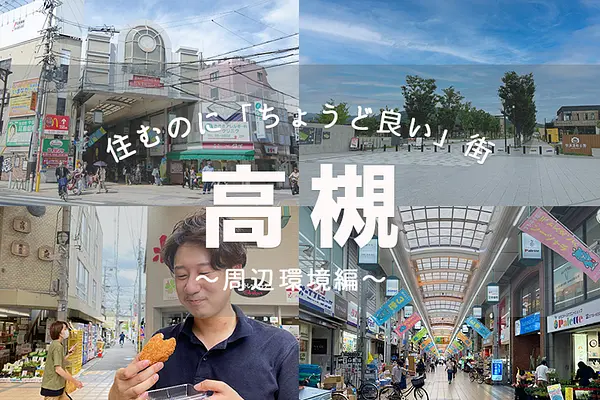
Today, we’d like to introduce the “Ramen Gatherings” held regularly at Terminals Takatsuki, a 6-minute walk from JR Takatsuki Station.
“We want to eat ramen, so let’s make it ourselves!”
What began as a casual idea has now grown into a popular event that draws more than 50 people.
Fuk ushima from the Kansai Sales Department visited the site and spoke with the three organizers about how the Ramen Party began, why they continue to hold it, and the unique appeal of an event made possible by the social apartment setting.
The Three Organizers Behind the Ramen Gatherings
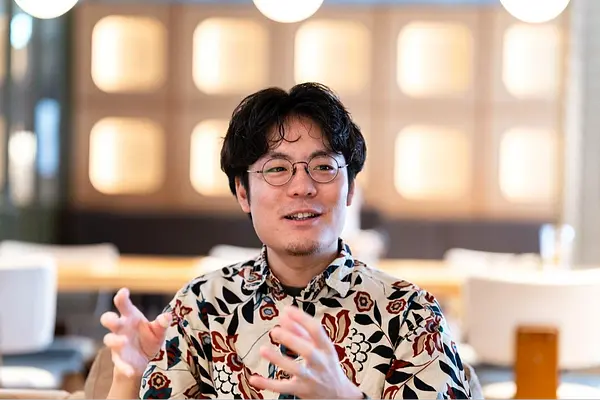
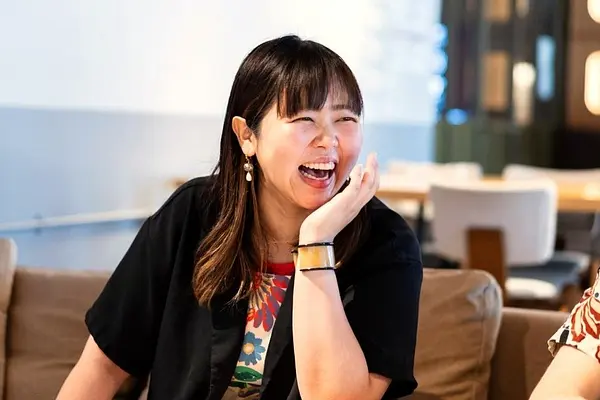
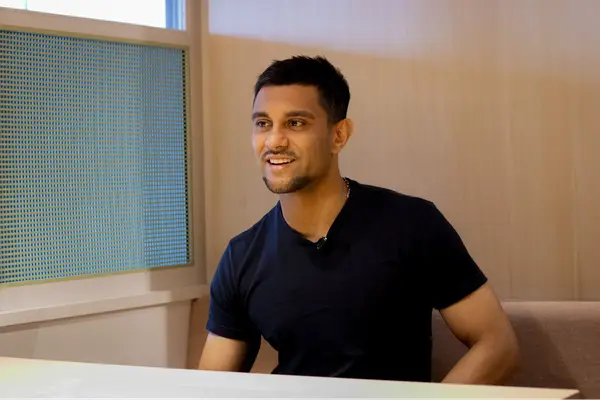
Taki, George, and Misaki, thank you for taking the time to speak with us today.
First, could you please briefly introduce yourselves and tell us what roles you play in the Ramen Club?
Taki | In charge of cooking
Taki: I’ve been living at Terminals Takatsuki for about two years.
In high school and college, I attended schools specializing in nutrition and studied all kinds of cuisine, with a focus on Japanese food. I’m currently working in a different field, but I’m considering a career in the culinary industry in the future.On my days off, I’ve used the communal kitchen to make authentic tempura (matsugasa-age) and even filleted a whole fish to serve sashimi to the residents.
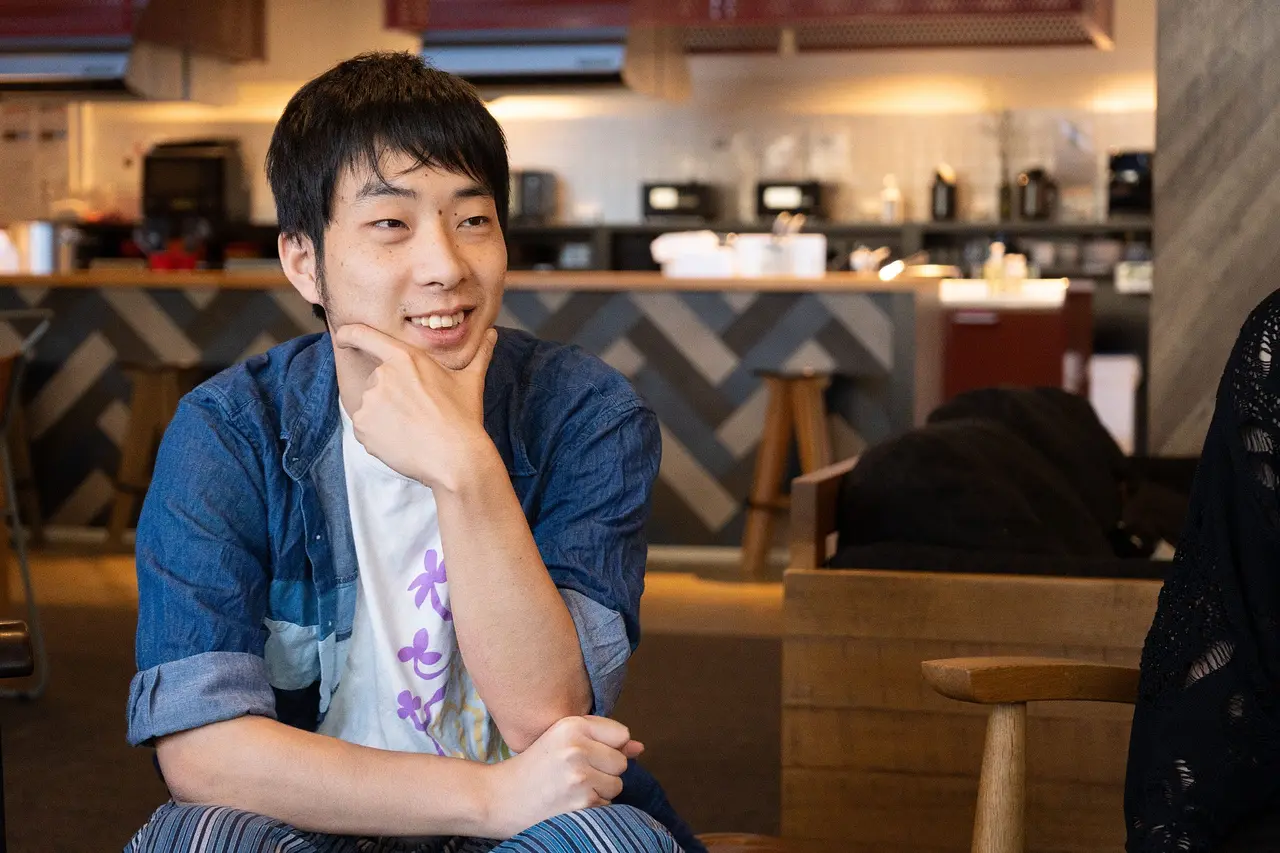
My role at the Ramen Club is as the chef. Together with George, I’m very particular about the ingredients—from deciding where to source the meat and fish. Even if other members taste it and say, “This is so delicious,” I don’t consider it finished unless I’m fully satisfied with the flavor. “It’s still not good enough!” I’ll say that while continuing to test recipes and make fine adjustments until the middle of the night (laughs).
George | Planning and Ingredient Procurement
George: I’ve been living at Terminals Takatsuki for about two years.
I originally moved in for work reasons. When I retired, I considered moving back to my parents’ house, but I enjoyed living here so much that I decided to stay. On my days off, I take photos, play the ukulele and guitar (which I recently started), and draw illustrations. I spend a lot of time in the lounge and kitchen.
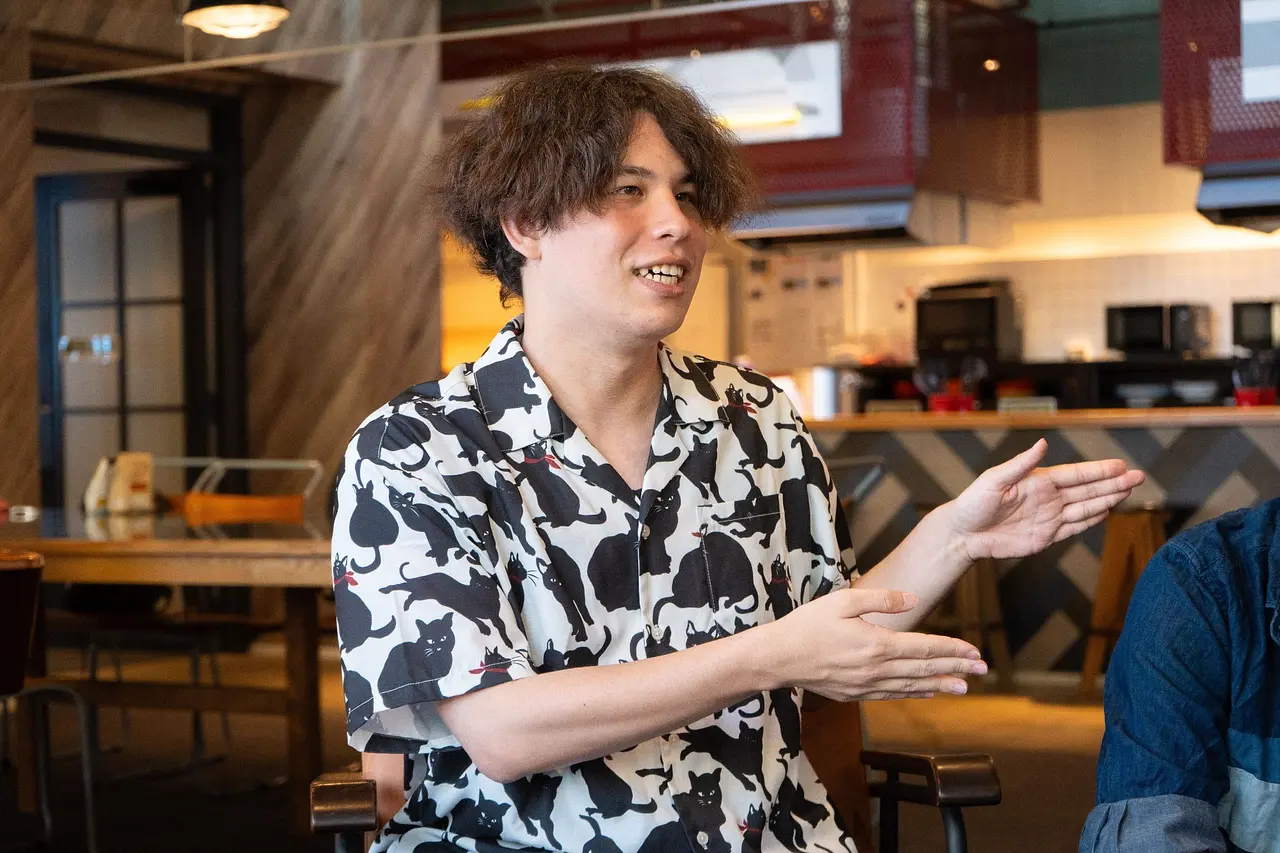
At the ramen gatherings, I’m in charge of planning and sourcing ingredients. At first, I was the one cooking, but as the events grew in scale, I handed the cooking duties over to Taki, and now I handle the planning side of things—coming up with menu ideas and creating the illustrations for the menu cards on the day of the event.
Misaki | Marketing & Design
Misaki: I’ve been living at Terminals Takatsuki for about four and a half years.
Currently, I’m juggling two jobs: youth welfare and graphic design. Since I’ve lived here for so long, I’ve actively interacted with residents from other buildings and expanded my network to include many people. I’m still in touch with former residents, so sometimes I invite them to the lounge for a meal.
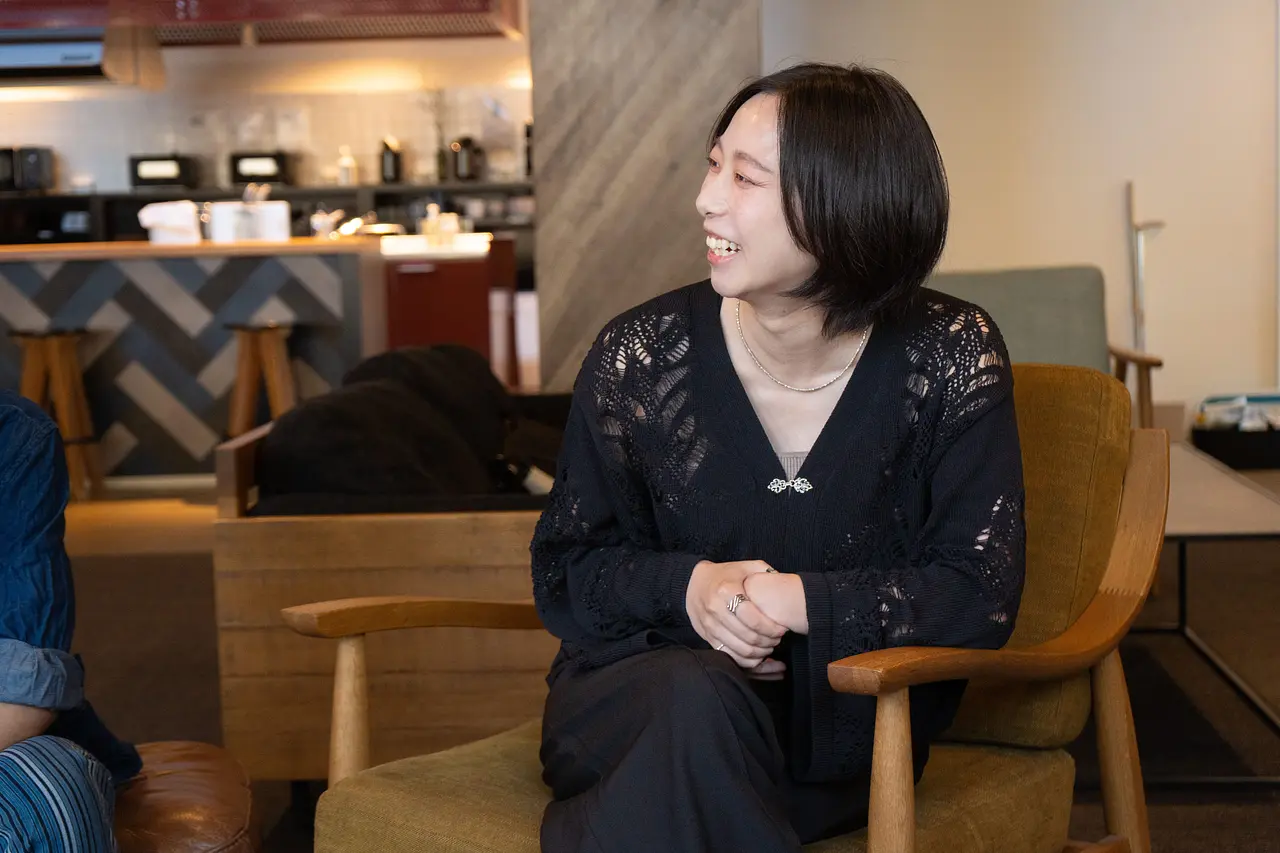
I’m in charge of marketing for the ramen gatherings. I’ve reached out not only to residents of Terminals Takatsuki but also to residents of other properties and friends, creating a “friends invite friends” dynamic. The event has now grown to attract about 50 people, and I use my graphic design experience to create promotional flyers for it.
How the Ramen Gatherings Began
It all started when George, drawing on his experience working on a ramen project with a community revitalization club during college, thought, “I want to make ramen myself.”
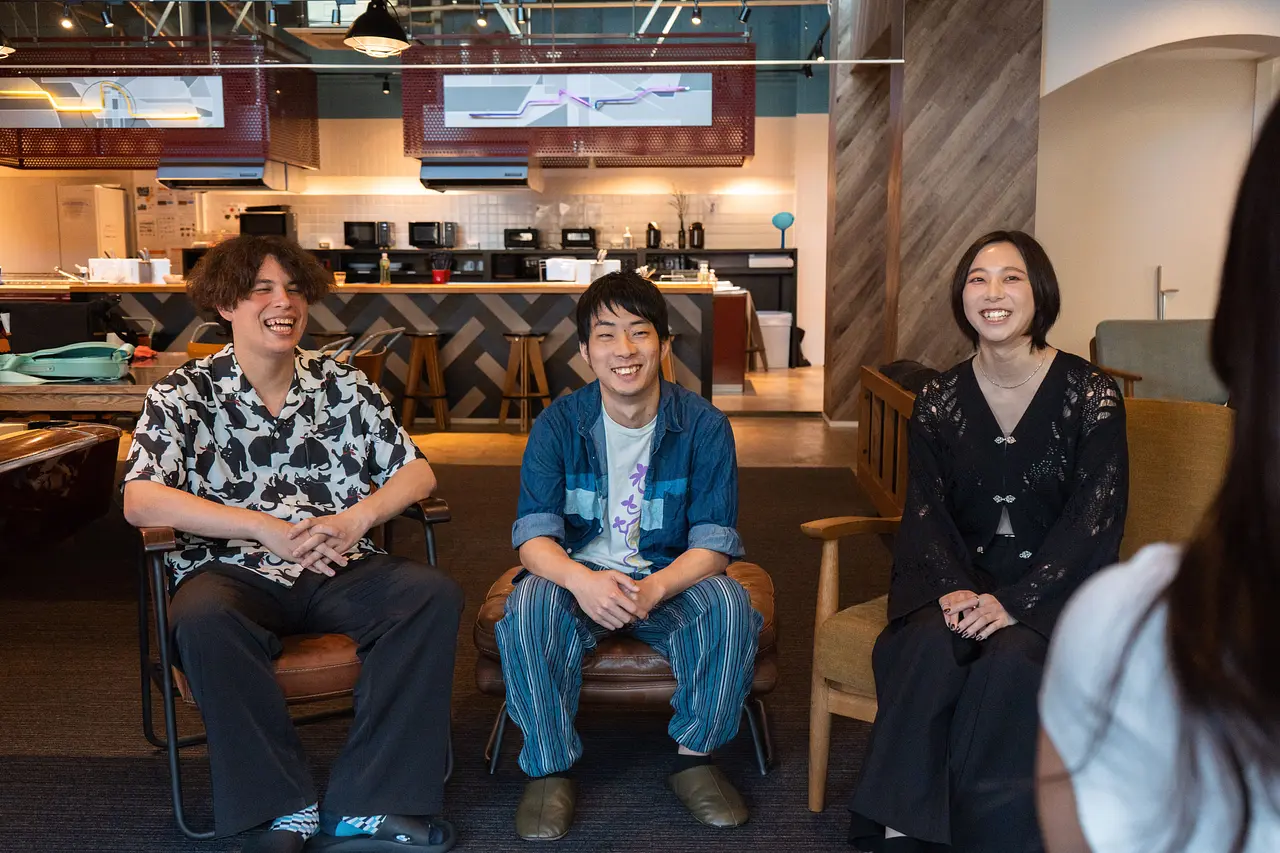
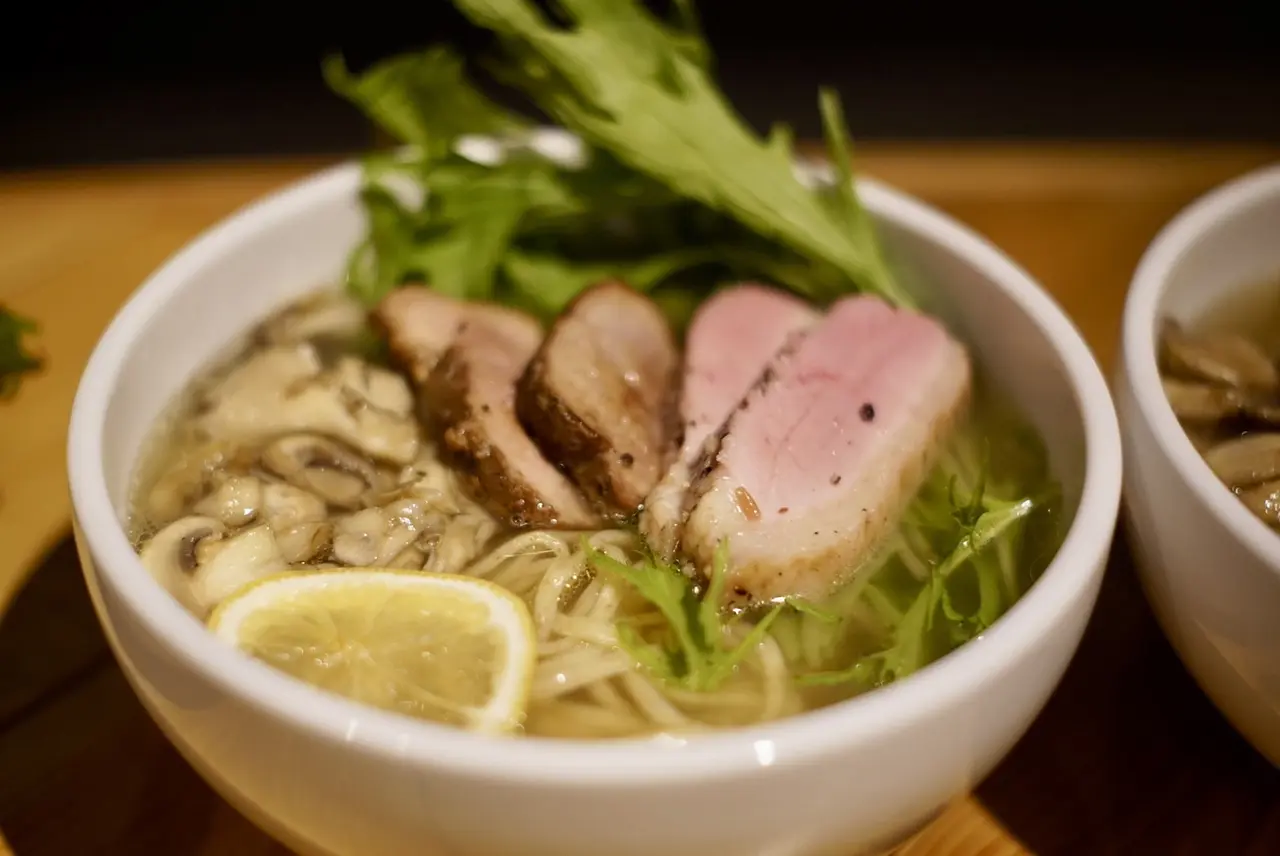
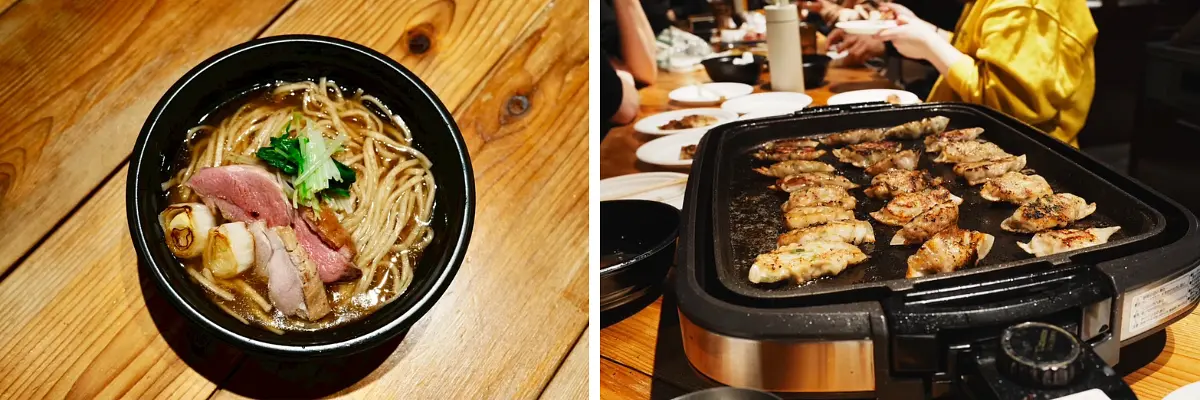
George: “I was hanging out in the lounge when it suddenly hit me: ‘I want to make ramen.’ So I made some a few days later. I only made a few bowls that time and had Misaki-chan and Taki try them. To be honest, I invited them mainly to help wash the dishes!”
Here’s the duck ramen I made back then!
I’m in the middle of writing this article, but I’m starting to get hungry (lol).
And after we finished eating the ramen and were washing the dishes,
Taki: “Let’s make ramen together sometime.”
George: “Alright, let’s do it! What kind of ramen should we make next?”
With those words, the two hit it off. Then Misaki joined in, saying, “I want to eat delicious ramen, so I’d like to do whatever I can to help.”
George’s planning skills, Taki’s culinary talent, and Misaki’s ability to attract customers. Each brought their own strengths to the table, and that’s how the current team was born.
Speaking about Misaki, George said,
“If it weren’t for Misaki, I think we’d be making something other than ramen.”
“Having people who keep us going makes a huge difference,” he adds.
It was precisely because of Misaki’s drive and ability to draw a crowd that the event didn’t end after just one gathering—it grew into a gathering that attracts many people.
From a handful of people to 50. It’s become more and more professional with each event.
Let’s take a quick look back at past ramen gatherings!
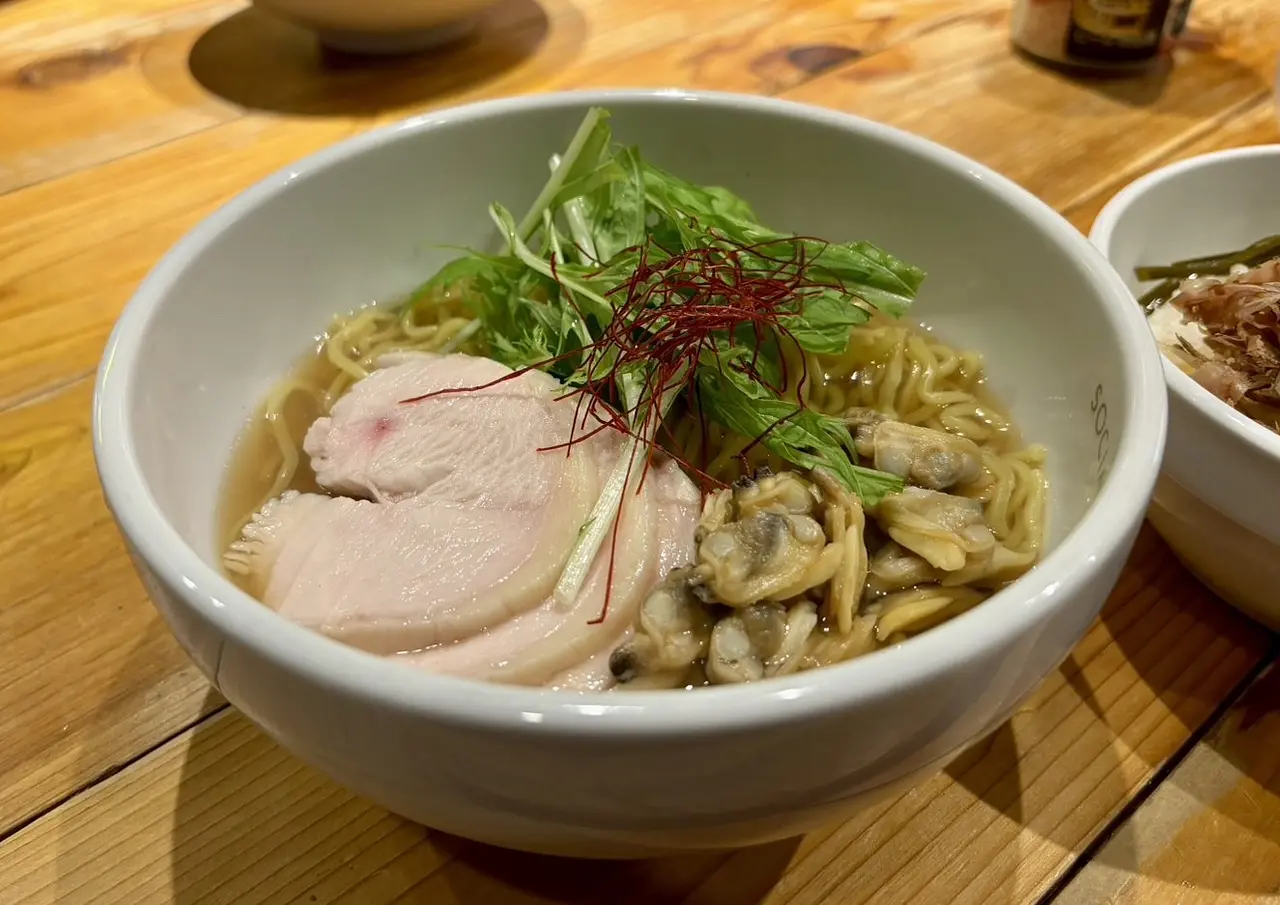
1st Clam Ramen Gathering: About 15 people attended.
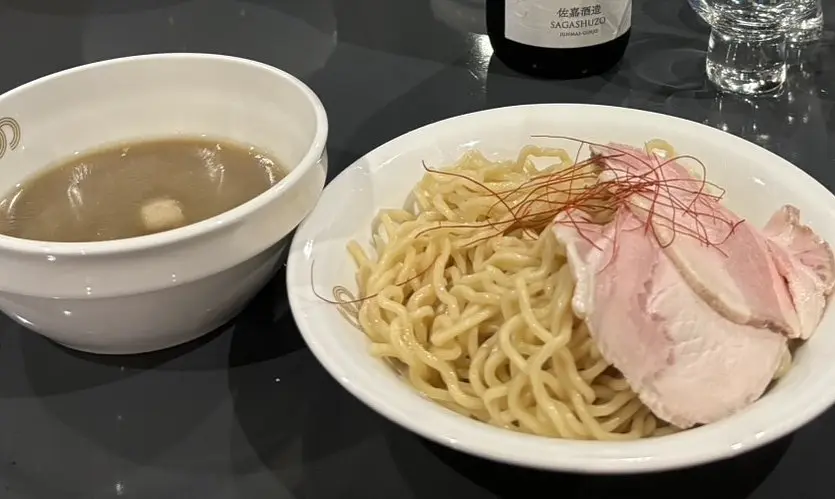
2nd Tsukemen (Niboshi & Tonkotsu): About 20 people attended.
To make authentic broth, we visited several supermarkets to gather bone-in meat and simmered it for 4–5 hours—the preparation process gradually became more serious.
Event #3: Duck Ramen—About 30 people attended.
Because they wanted to use “whole-wheat noodles,” they reportedly went out of their way to order them online from a specialty noodle factory that supplies a ramen shop they were obsessed with during their college days.
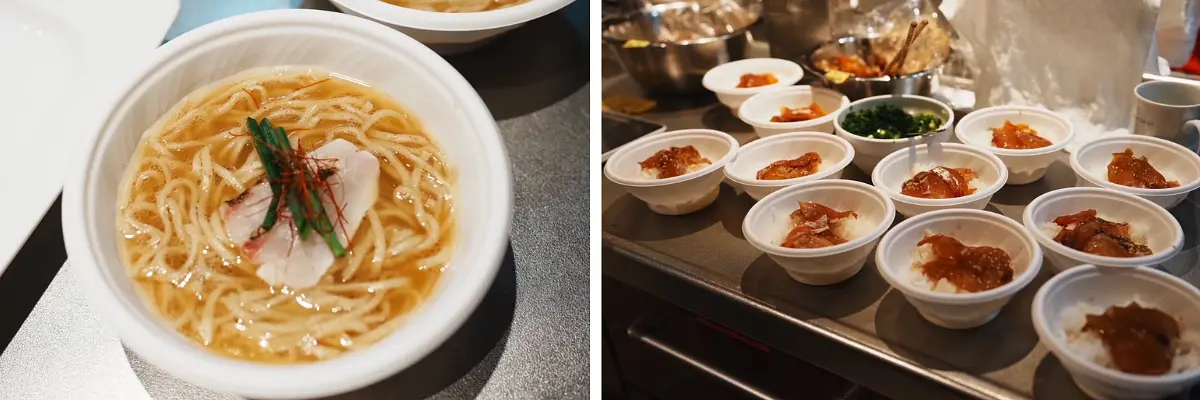
4th Event: Sea Bream Ramen: About 40 people participated.
And for the 5th event, Abura Soba, a whopping 50 people participated!
――Fifty participants is an impressive number—how did you attract so many people?
Misaki: At first, we only reached out to residents of Terminals Takatsuki, but word of mouth gradually spread, and more and more people started saying, “I want to try it!” Once we started inviting residents from other properties as well, the number of participants skyrocketed around the time we held the tsukemen and duck ramen events. I think a big factor was that participants spread the word among residents at their own properties.
I also did my best to get people to try Taki’s ramen—for example, by sending event invitations via LINE to each property! Now it’s become a popular event attended not only by Social Apartment residents but also by their friends.
How It Went on the Day
I, Fukushima, attended as well, so let me give you a slightly more detailed look at how the day went!
At 6:00 PM, residents naturally started gathering in the kitchen.
“Anyone available to handle check-in?” “I’ll do it!”
“Should I write up the menu?” “Your handwriting is so neat—no surprise there!”
“Should I get the eggs?”...
Some wrote the menu, others set up the registration desk, and still others helped Taki-san with the cooking—everyone found something they could do and got to work preparing.
A resident who had previously studied calligraphy took charge of writing the menu. George added some illustrations, and an original menu was completed. Taki even made the chili oil used in the dish himself; apparently, he wasn’t satisfied with the aroma of his first batch, so he adjusted the amount of garlic and other ingredients and remade it. Toppings are self-serve!
Seeing people with diverse experiences and skills work together to create a single event made me realize once again that this is a sight unique to a social apartment!
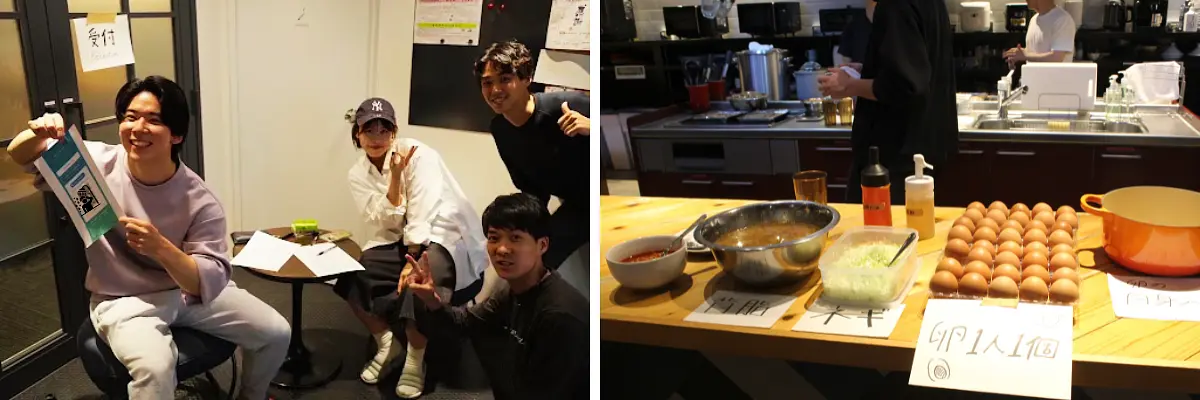
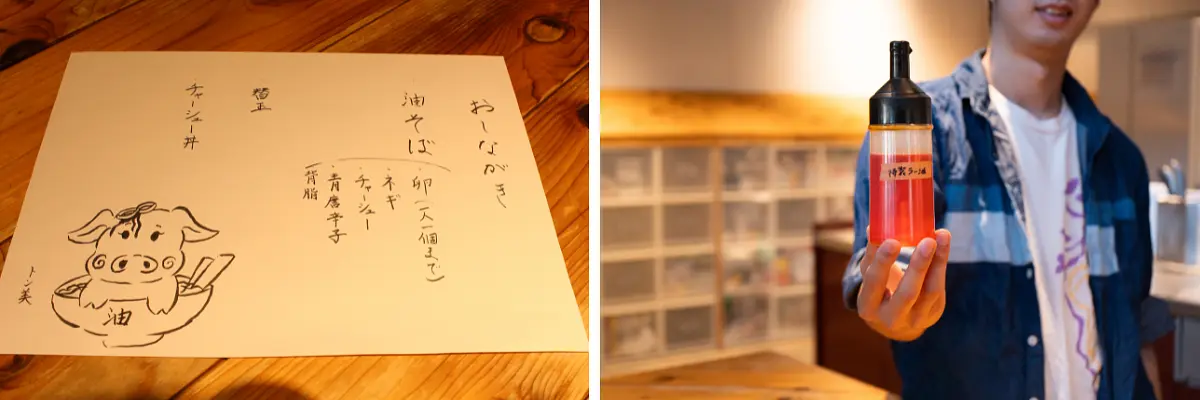
7:00 PM: Abura Soba service begins
Participants who had checked in began entering the lounge one after another.
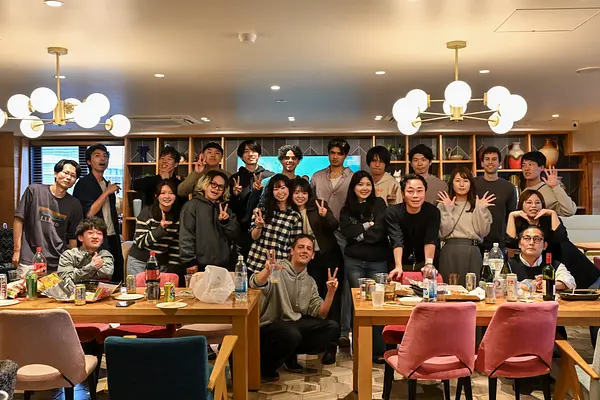
The venue was instantly filled with a lively atmosphere, thanks not only to residents of Terminals Takatsuki but also to participants from other social apartments in the Kansai region and friends of the residents.
What was particularly memorable was how, when Misaki called out, “Who wants an extra serving of noodles~?”,
“Yes!! I want some, I want some!” with incredible enthusiasm!
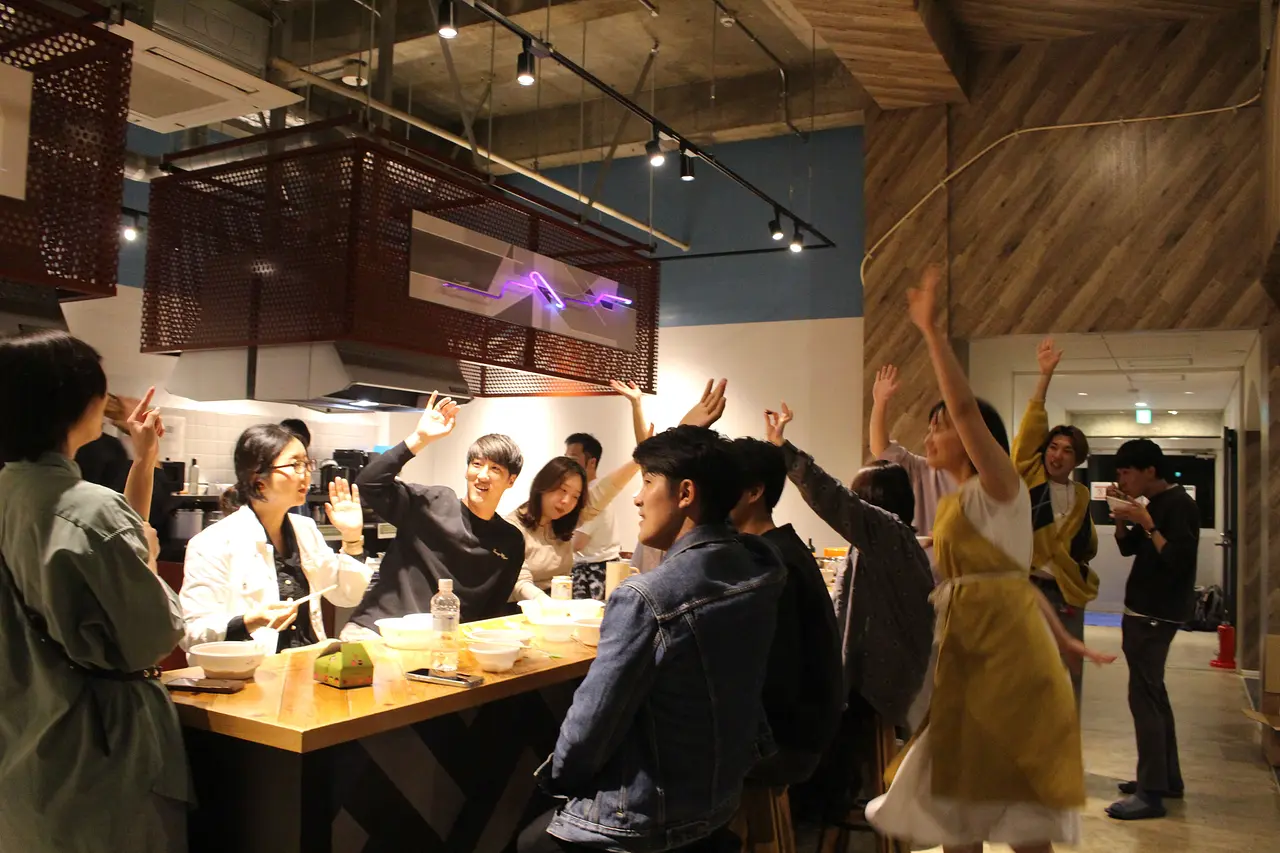
Even after finishing their ramen, conversations continued in the lounge,
“The ramen is always so delicious—I really look forward to it!”
“It was fun getting to know new people!”
“I wonder what we’ll make at the next ramen party!”
Everyone was already looking forward to the next event.
I also got to try Taki-san’s abura soba for the first time—the noodles were so chewy and springy, and when mixed with the handmade chashu, pork back fat, egg, and special chili oil, it was absolutely delicious!
It’s not just the shared space itself that fosters connection—it’s the residents’ desire to “give it a try” and the friends who enjoy it with them that allow new bonds to form.
What started as a small group of people making ramen has grown with each session, attracting more participants and becoming such a popular event that it’s nearly reached the lounge’s capacity.
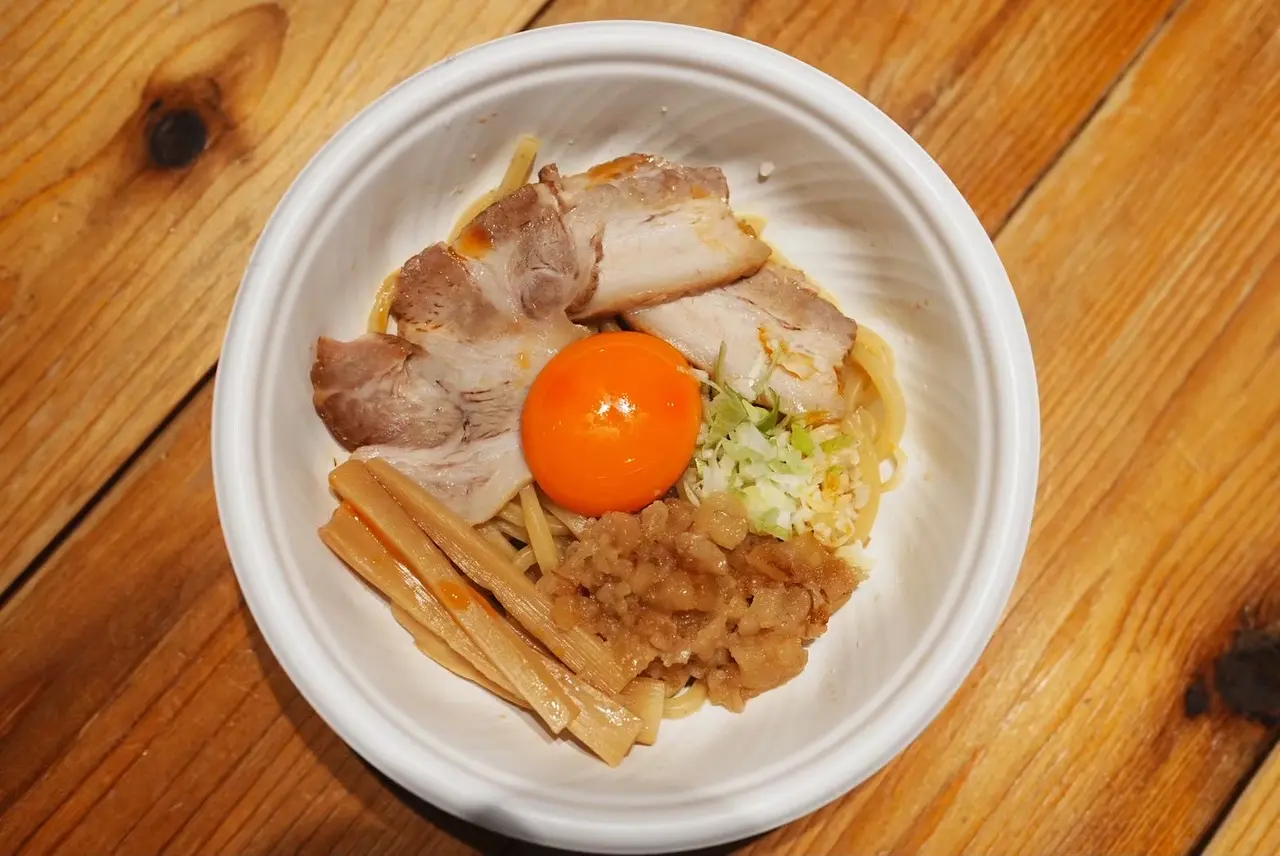
Challenges Faced While Running the Event
――Please tell us about the challenges you’ve faced with the ramen gatherings so far.
Misaki: As the events got bigger, managing the participants became more challenging. For the fifth event—the abura soba session—we received far more requests to participate from each building than we’d imagined, so we had to quickly limit it to 40 servings, taking into account the amount of ingredients and the lounge’s capacity! But everyone helps out every time, which is a huge help.
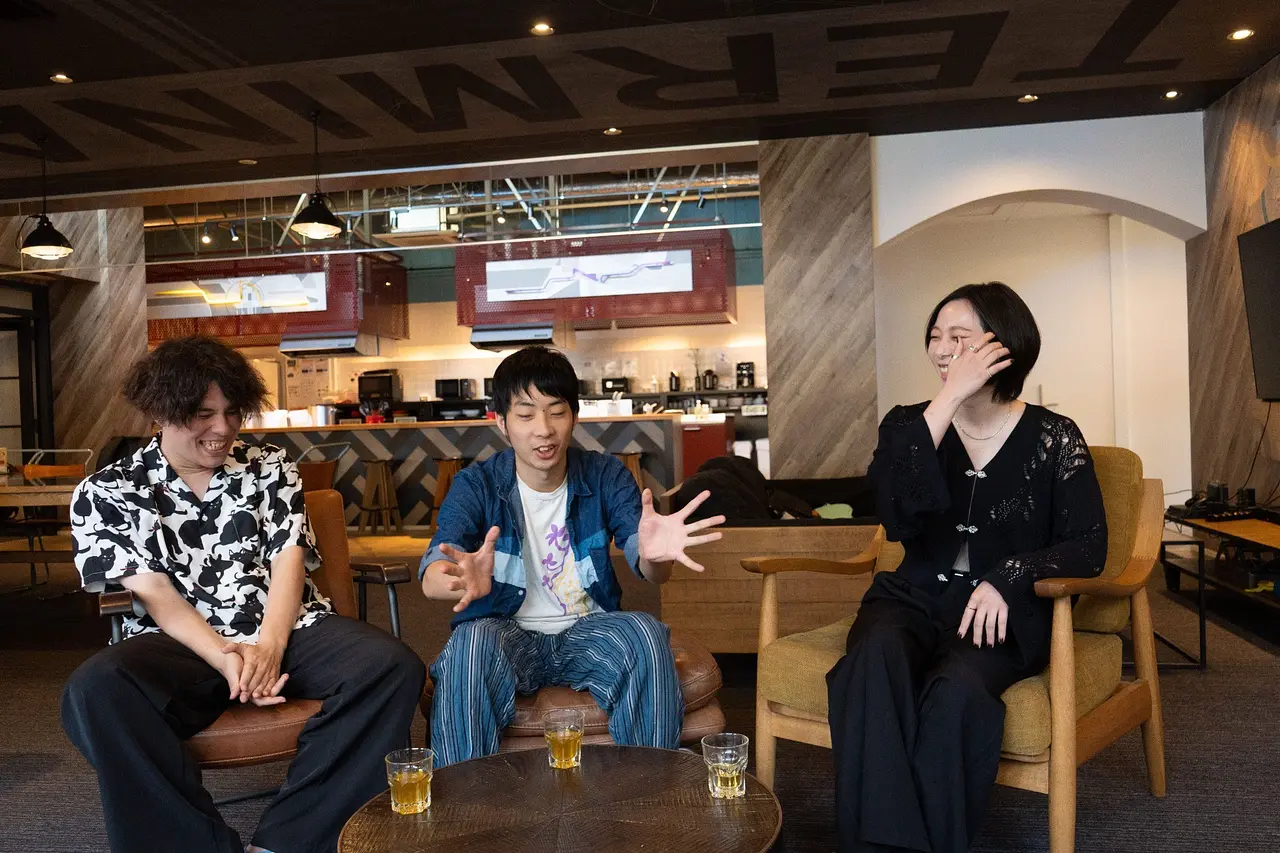
George: Come to think of it, during the duck ramen event, a mistake while cooking rendered the duck meat we’d prepared unusable, so we had to rush to the butcher’s to buy additional ingredients at the last minute!
Since it happened right before the event, we ended up keeping everyone waiting, and the cost ended up being higher than planned, so I was really worried whether the participants would show up as scheduled.
At another event, to keep costs down—since delivery would have been expensive—Misaki even rode her motorcycle all the way to the wholesale market to pick up the ingredients herself.
Taki: The hardest part, I’d say, is getting the flavor as close as possible to my “ideal” taste. Making authentic ramen requires a long preparation time, so that was probably the toughest part.For the tsukemen event, I went to various supermarkets to gather large pieces of meat on the bone and simmered them for 4 to 5 hours. Also, when making 40 to 50 servings, the pot we had in the lounge just wasn’t enough, so I finally bought a large stockpot! To be honest, I’d love to have another one.
Maybe I’ll buy another one for the next event.
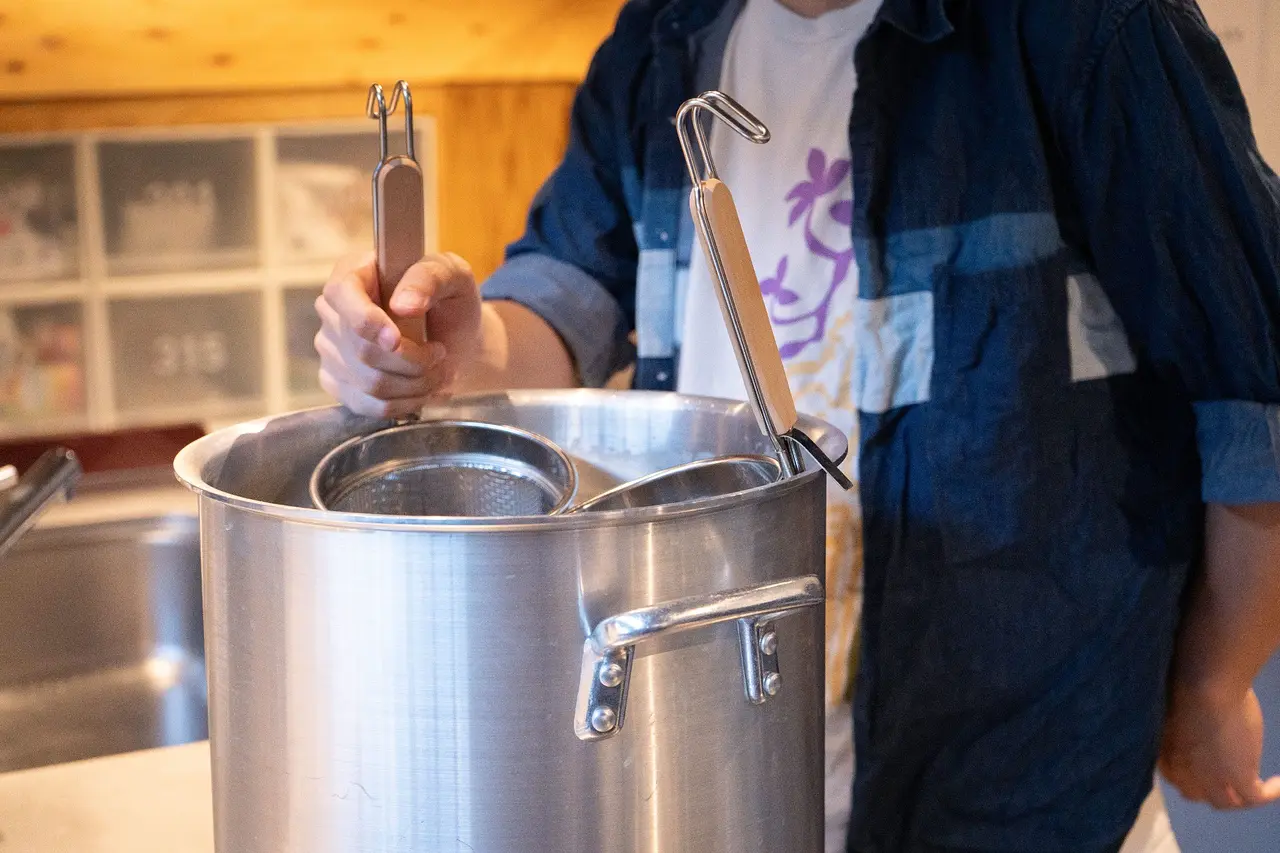
Hearing “It’s delicious” from participants makes all the hard work worth it
—Finally, as you continue hosting these ramen gatherings, are there moments when you feel it’s all been worth it?
Misaki and George: The thing that makes us happiest is when people eat the ramen we’ve worked so hard to make and tell us, “This is delicious.” We also feel a sense of togetherness unique to this way of life when participants not only eat but also naturally pitch in with the preparation, check-in, and cleanup.
It’s also great when they say, “I’ll help out next time, too.”
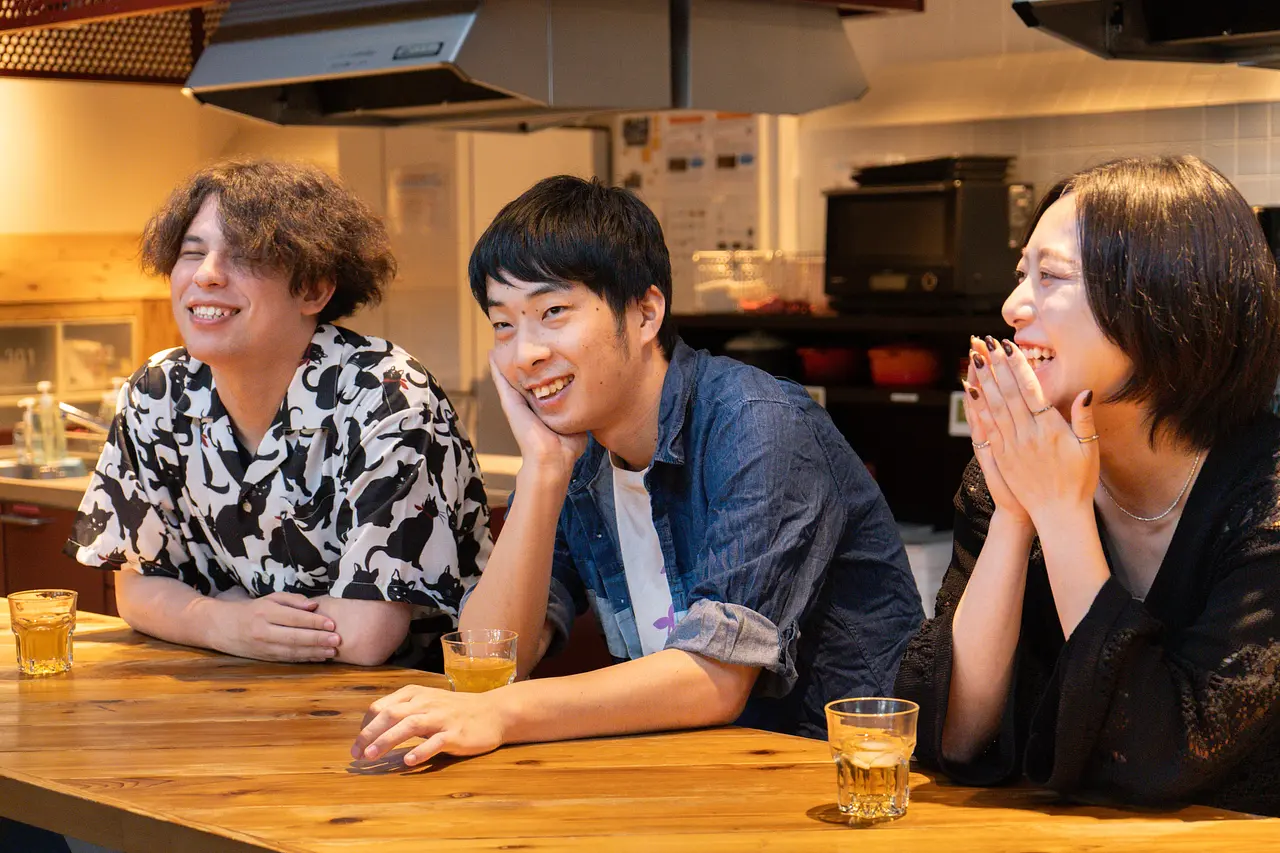
Taki: Being able to serve the food I’ve made to so many people is a huge joy in itself. While there are challenging parts, like prep work and fine-tuning the flavors, the participants’ smiles and hearing them say “It’s delicious” motivate me to make the next batch of ramen.
――Thank you so much for sharing such wonderful stories about the behind-the-scenes of the “Ramen Party” that everyone loves, and the passion behind it. I’m looking forward to seeing these ramen parties, filled with such care and attention to detail, continue in the future!
From a Hobby to a Ramen Gathering: Next Stop, a Local Festival
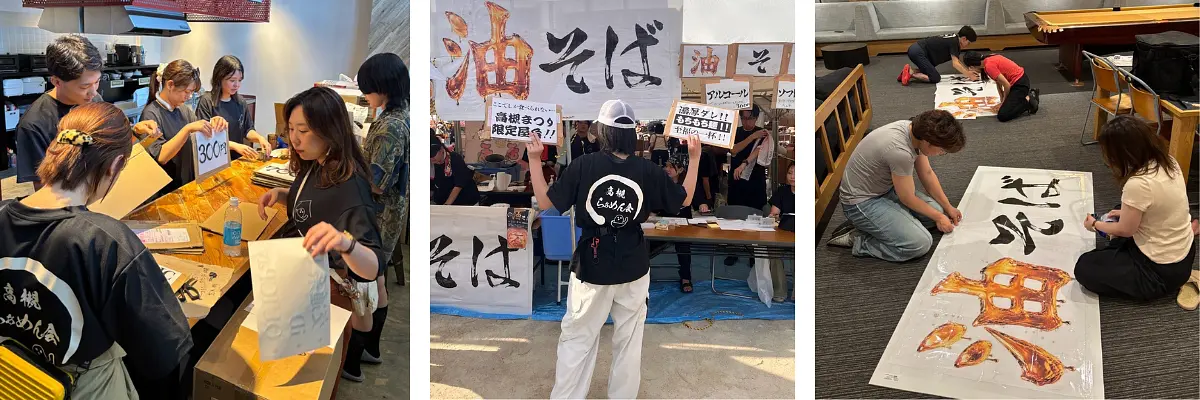
Believe it or not, this summer we took on the challenge of setting up a food stall at the “Takatsuki Festival,” held as a local festival in Takatsuki City! The dish we served was abura soba, which had been a big hit at our Ramen Gatherings!
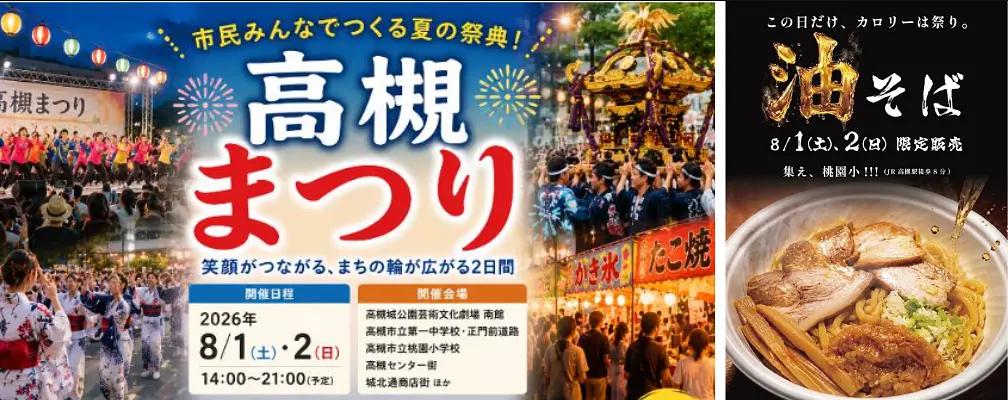
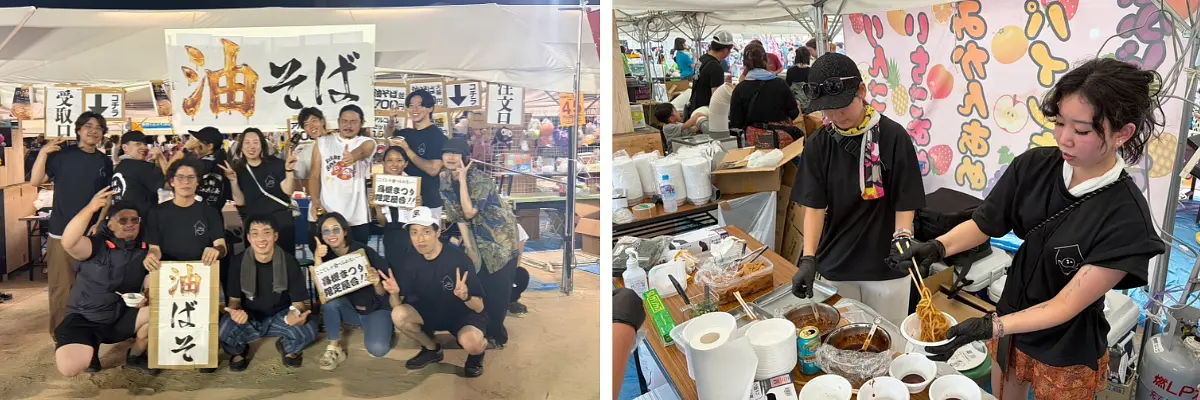
Scenes from the Day
I heard that all the members worked together to prepare signs and promotional materials for the event.
Their matching, handmade “Ramen Club” T-shirts were adorable!
Residents from other buildings also came out to show their support, and it seems many people stopped by to try the abura soba. Although it was their first time running a food stall and there were surely many challenges, this event—which they created by working together as a team—is sure to be an unforgettable memory. Once again, thank you all so much for your hard work over the two days!
In this article, we introduced the vision of the three organizers behind the Ramen Club—which meets regularly at Terminals Takatsuki—as well as scenes from the event and their future plans. What did you think?
What began as a hobby sparked by the simple desire to “eat ramen” has grown into an event that draws over 50 people within the complex and has even expanded to include a booth at a local festival.
Furthermore, they’re planning to serve tonkotsu ramen in October and tomato cream ramen inspired by Christmas colors in December.
A single person’s passion brings people together, expands their circle of friends, and leads to new challenges. Through this interview, I was reminded once again that this is one of the unique charms of this way of life.
People with hobbies find friends to enjoy them with.
Even if you’re thinking, “I want to start something new,” you might discover unexpected joy simply by being invited to join someone else’s hobby.
Social apartments are home to people of all ages, professions, and hobbies. Here, your “I want to try this” might just lead to a new connection with someone.
Why not start a new life at Kansai Social Apartment?
(Reporting and text: Fukushima; Photos: Fukushima and provided by residents)





![男性2人に聞いた、暮らしの一問一答 | ターミナルズ高槻 [インタビュー]](https://sa-site-production-strg.s3.ap-northeast-1.amazonaws.com/bo8eqs8prxj8umurpgb56sdubsld)
![男女ペアに聞いた、暮らしの一問一答 | ターミナルズ高槻 [インタビュー]](https://sa-site-production-strg.s3.ap-northeast-1.amazonaws.com/dmiopgitie2z3v8c60al680ggb4t)
![女性2人に聞いた、暮らしの一問一答 | ターミナルズ高槻 [インタビュー]](https://sa-site-production-strg.s3.ap-northeast-1.amazonaws.com/nwj20uazpp4waybl9666o46lb83f)
![幼なじみと入居したソーシャルアパートメントでの暮らし | ターミナルズ高槻 [インタビュー]](https://sa-site-production-strg.s3.ap-northeast-1.amazonaws.com/4dwlhvri1wiz3j9mx7sv7fkoosoj)


!["How’s The Community Actually?" - The Atmosphere of Community Revealed Through Various Living Experiences [Interview]](https://sa-site-production-strg.s3.ap-northeast-1.amazonaws.com/n95c5ksoi29szp2v8mgip1f6c58n)
![[Resident Interview] From Speaking Zero Japanese to Achieving Conversational Level in Just 6 Months by Living in a Social Apartment](https://sa-site-production-strg.s3.ap-northeast-1.amazonaws.com/jxzizvaqsxi3ips1j47dkwk4savp)
![大阪3物件の入居経験者に聞いた"オープニングメンバー"の魅力とは? | ネイバーズ江坂 [インタビュー]](https://sa-site-production-strg.s3.ap-northeast-1.amazonaws.com/puv95v62ik8u6yohuennujfun2x5)
![ワールドネイバーズカフェ護国寺で働くスタッフの想い | ワールドネイバーズ護国寺 [インタビュー]](https://sa-site-production-strg.s3.ap-northeast-1.amazonaws.com/jm7qhnahwy58tujy6eme4vt0gaqw)
![ソーシャルアパートメントはロールモデルの宝庫。就活後に入居を決めた理由とは<後編> | ネイバーズ東十条 [インタビュー]](https://sa-site-production-strg.s3.ap-northeast-1.amazonaws.com/0klh7ktq1j5yrpyx0ob5rbo6fzcj)
![ソーシャルアパートメントはロールモデルの宝庫。就活後に入居を決めた理由とは<前編> | ネイバーズ東十条 [インタビュー]](https://sa-site-production-strg.s3.ap-northeast-1.amazonaws.com/0imxikh39n29q5cjimjm74y0zrab)
![「やってみたい」を一緒に叶える仲間と繋がる暮らし。4物件80人で実現した大運動会 | ソーシャルアパートメント宮前平 [インタビュー]](https://sa-site-production-strg.s3.ap-northeast-1.amazonaws.com/r8nyxbs5rhoyffd6f0szce0innpf)
![必要なのは好奇心と少しの思い切り | ネイバーズ五反田 [インタビュー]](https://sa-site-production-strg.s3.ap-northeast-1.amazonaws.com/y0z69d53xmqqp0hex5mhpi7h0lm0)
![きっかけは幼なじみのInstagram?一歩踏み出すのは誰かの些細な一言 | ネイバーズ立川 [インタビュー]](https://sa-site-production-strg.s3.ap-northeast-1.amazonaws.com/eowkeclvq9pekszwtklhjl9buecw)
![幅広い年齢層・国籍が交差する環境で学生時代を過ごすということとは<後編> | ワールドネイバーズ護国寺 [インタビュー]](https://sa-site-production-strg.s3.ap-northeast-1.amazonaws.com/ikafi958yqy8p1x1h7paxvnwvql7)
![幅広い年齢層・国籍が交差する環境で学生時代を過ごすということとは<前編> | ワールドネイバーズ護国寺 [インタビュー]](https://sa-site-production-strg.s3.ap-northeast-1.amazonaws.com/l92j1wrnana2kr0yrn14u88tqzlq)
![上京時にソーシャルアパートメントという選択肢 | ソーシャルアパートメント大泉学園 [インタビュー]](https://sa-site-production-strg.s3.ap-northeast-1.amazonaws.com/g92g4p92trjignuw87ae1msetxap)
![自然な交流を生み出す住まいに魅せられて | ソーシャルアパートメント三鷹 [インタビュー]](https://sa-site-production-strg.s3.ap-northeast-1.amazonaws.com/gijfv37vtenl104ol5f2mj040hwa)
![特技はヴィーガンチーズケーキ作り?料理をとことん楽しむ吉祥寺暮らし | ネイバーズ井の頭公園 [インタビュー]](https://sa-site-production-strg.s3.ap-northeast-1.amazonaws.com/3modm8zsssu2pb0h8jueaqdgo6wi)
![「意図せず交流が生まれる場」.andworkとSOCIAL APARTMENTの共通点 | FILMS和光 [インタビュー]](https://sa-site-production-strg.s3.ap-northeast-1.amazonaws.com/5j2xtbaeo1w6ok4uc1b5hmfex5tp)
![入居者約60人を集めた「ボディメイキング コンテスト」主催者が語る企画の裏側 | ワールドネイバーズ護国寺 [インタビュー]](https://sa-site-production-strg.s3.ap-northeast-1.amazonaws.com/wftnprnselp6cg7byzf4hezs1j03)
![日本とアメリカを繋げることができたら | ネイバーズ渋谷神山町 [インタビュー]](https://sa-site-production-strg.s3.ap-northeast-1.amazonaws.com/f64gkjxghdo46gco54pf1xl4ewro)
![[New Property: NEIGHBORS YOKOHAMA TSURUMI] 1st Pre-Opening Tour](https://sa-site-production-strg.s3.ap-northeast-1.amazonaws.com/d8bjxi4w95hf35qmhrvj0txr2jtv)